

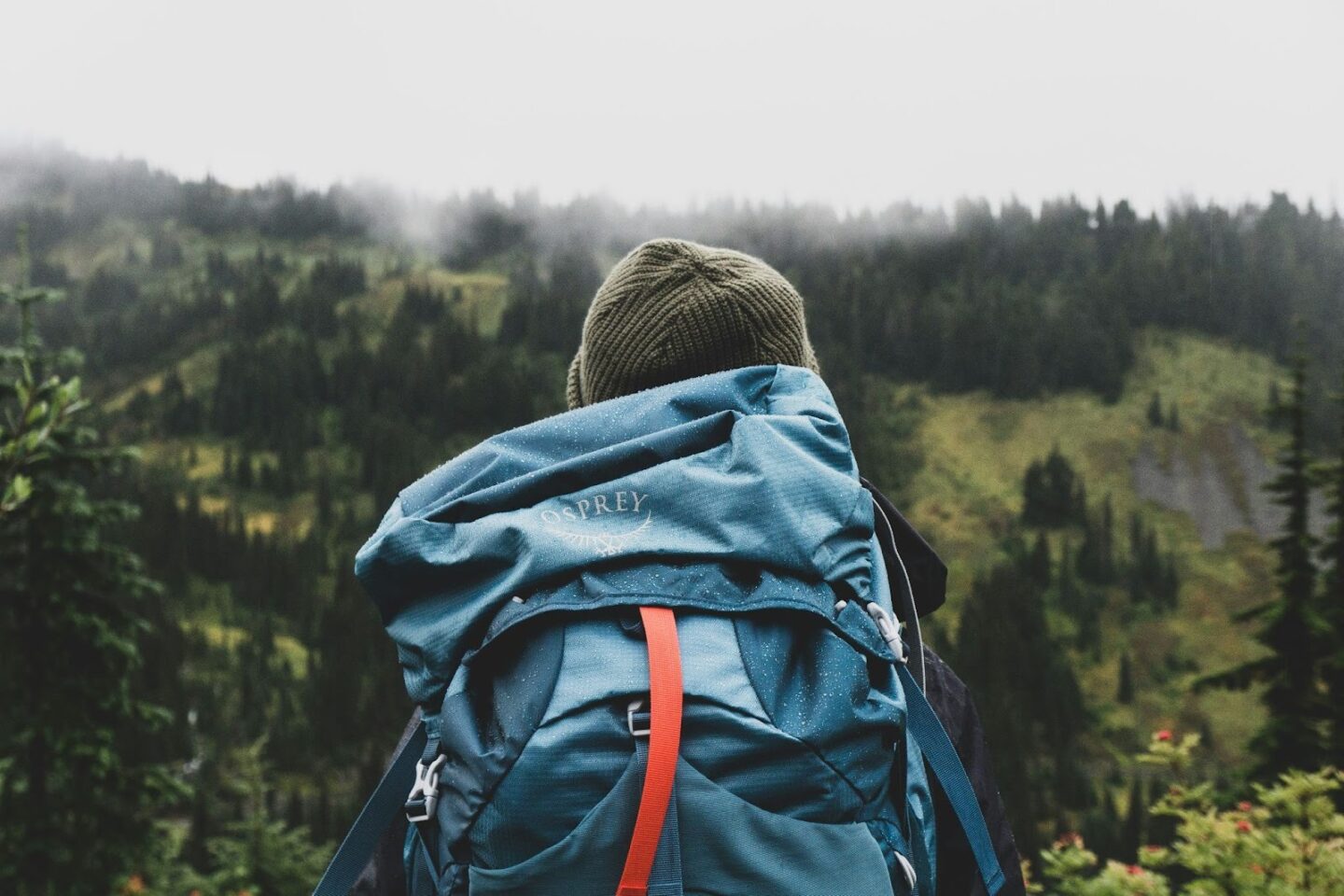
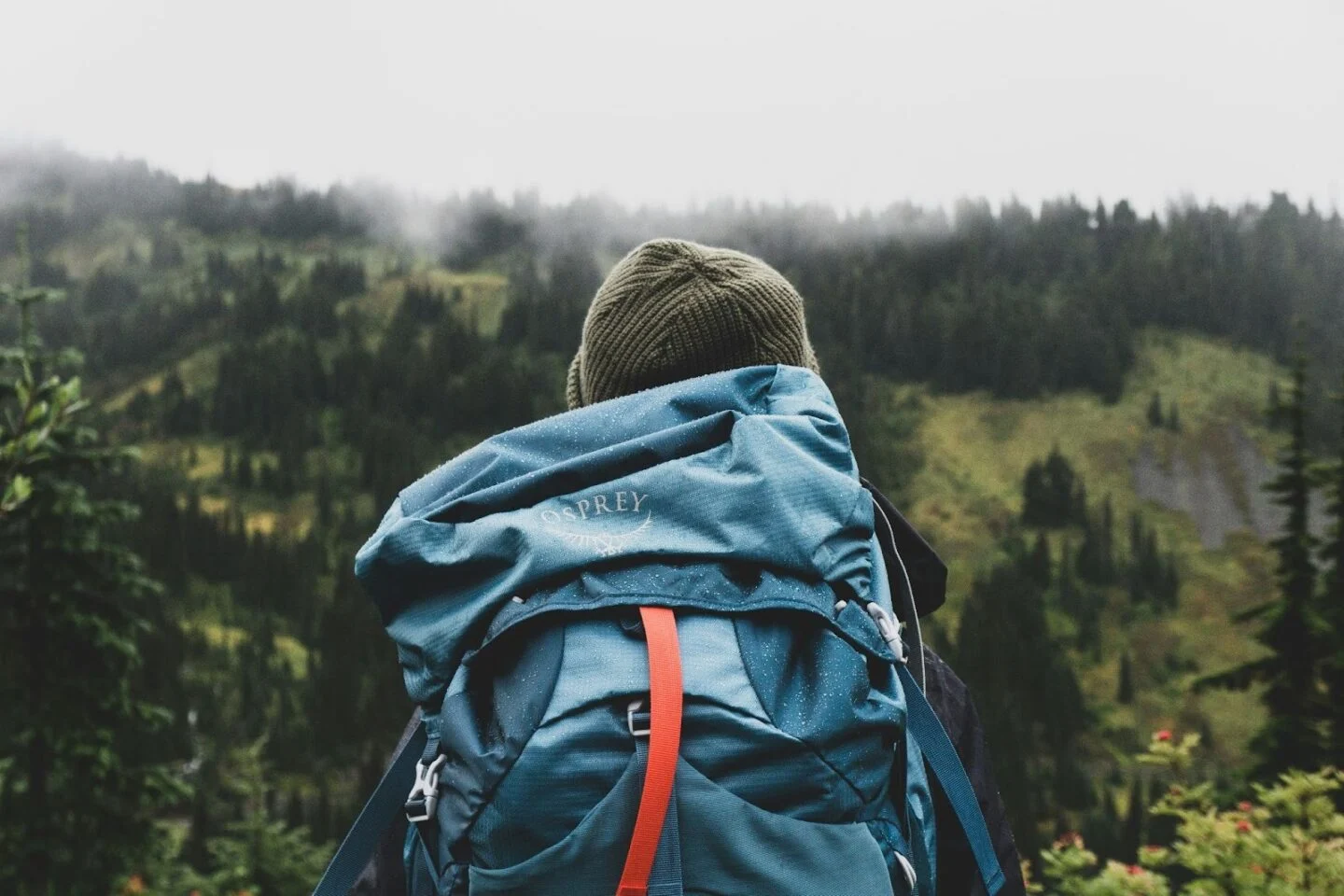
Long-term backpacking can put extreme pressure on your body and fitness, so it is always best to prepare accordingly. Here are a few tips to help set your body up for success for your next long-term backpacking adventure.
What is Your Goal?
The first thing you need to do is establish your goal or goals. Is this a one-time multi-day adventure, or do you want to make it a regular part of your routine? Are you already super-fit, or are you more on the unfit side?
You also need to ask if you are doing things that hinder your goals. If you smoke, opt for nicotine-free ALT vapes. If your diet isn’t the best, what can you do to improve it? Consider all your habits, pinpoint the ones that slow your progress, and start cutting them out.
Diet
The next thing you need to change is your diet. Long-distance backpacking burns a ton of calories and requires a lot of muscular endurance. Because of this, your diet needs to be more akin to a long-distance runner than to someone who spends hours in the gym.
Protein is essential, and while you don’t need to carb-load daily, carbs will be crucial when you are backpacking. Pasta, rice, potatoes, etc, will all be your best friends when it comes to fueling your trips.
Aerobic Fitness
Aerobic fitness is arguably the most important aspect of long-term backpacking. It doesn’t matter how strong you are; strength won’t help you trek for hours on end across fields, up and down mountains and hills, etc.
Because of this, it is important to add multiple aerobic exercises into your workout routine, such as walking uphill on a treadmill, using a stair machine, spin classes, etc.
Strength Conditioning
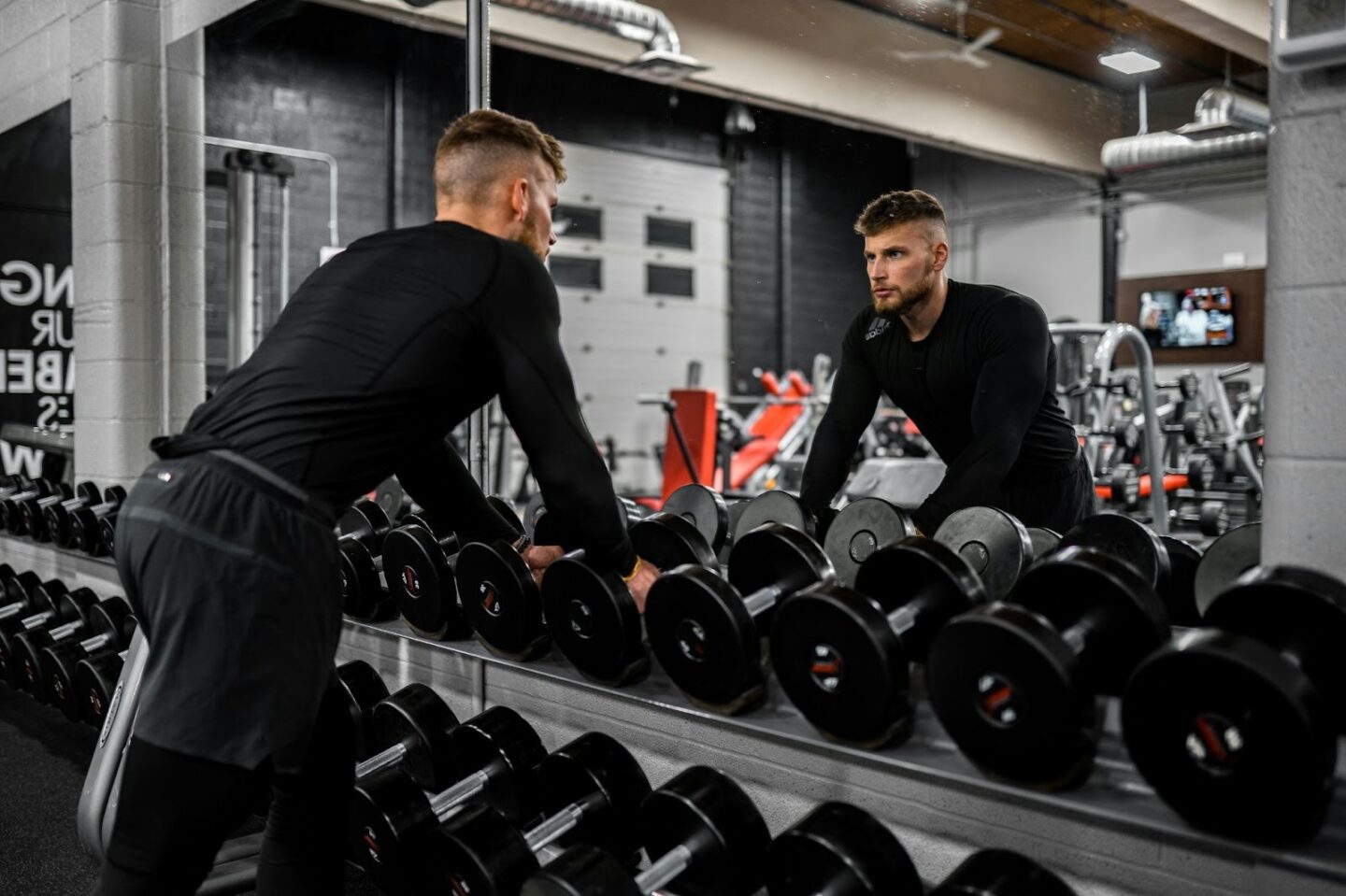
While actual strength and large muscles would be a hindrance, it is important to remember that stronger muscles work better for longer. A small example would be if you have been walking up a hill or multiple flights of stairs recently, your legs feeling like jelly is a sign that they may be weak.
Therefore, while there is no need to benchpress or leg press hundreds of pounds, you should incorporate strength training in your workout routine.

Flexibility & Stability
Another aspect that is often overlooked is the importance of flexibility and stability. For instance, it is exceptionally easy to have a misstep and roll your ankle, but having more flexible muscles and ligaments, and having generally more stable ankles can not only limit the damage of a rolled ankle, but can potentially stop damage completely.
Therefore, it is encouraged for you to add flexibility and stability exercises to your workout routine, especially for your legs.
Practice Runs
Practice runs are an essential part of any backpacking preparation. In simple terms, a practice run is doing exactly what you would do on your backpacking adventure, but at home or at your gym, and you would do it in stages.
For instance, you can walk about 20km on average in about 8 hours, and therefore, you should aim to do this as part of your practice run. If a part of your route is going 600m up a mountain at a certain elevation, you should set the treadmill to that specific elevation and walk 600m.
Train With the Right Equipment
Another part of your practice runs should be doing them with all the gear you will be carrying on your actual backpacking trip. This means packing your backpack, using your walking poles, wearing your boots, etc.
This is important because carrying the extra weight will require more endurance and strength, and if you don’t train or practice with that weight, your body will be unprepared to carry it for as long as you need it to.
Find a Mentor
If you are inexperienced with long-distance backpacking, and you don’t have any family or friends who have done it regularly, finding a mentor can be a game-changer. In short, a mentor can give you first-hand experience and insight into everything from your training to what you can expect on the trail.
They will also help you focus in on what is important, and stop you from wasting your time on activities, or wasting your money on gear, that you think may be important but will serve no purpose once you start your hike.
Set Achievable Goals
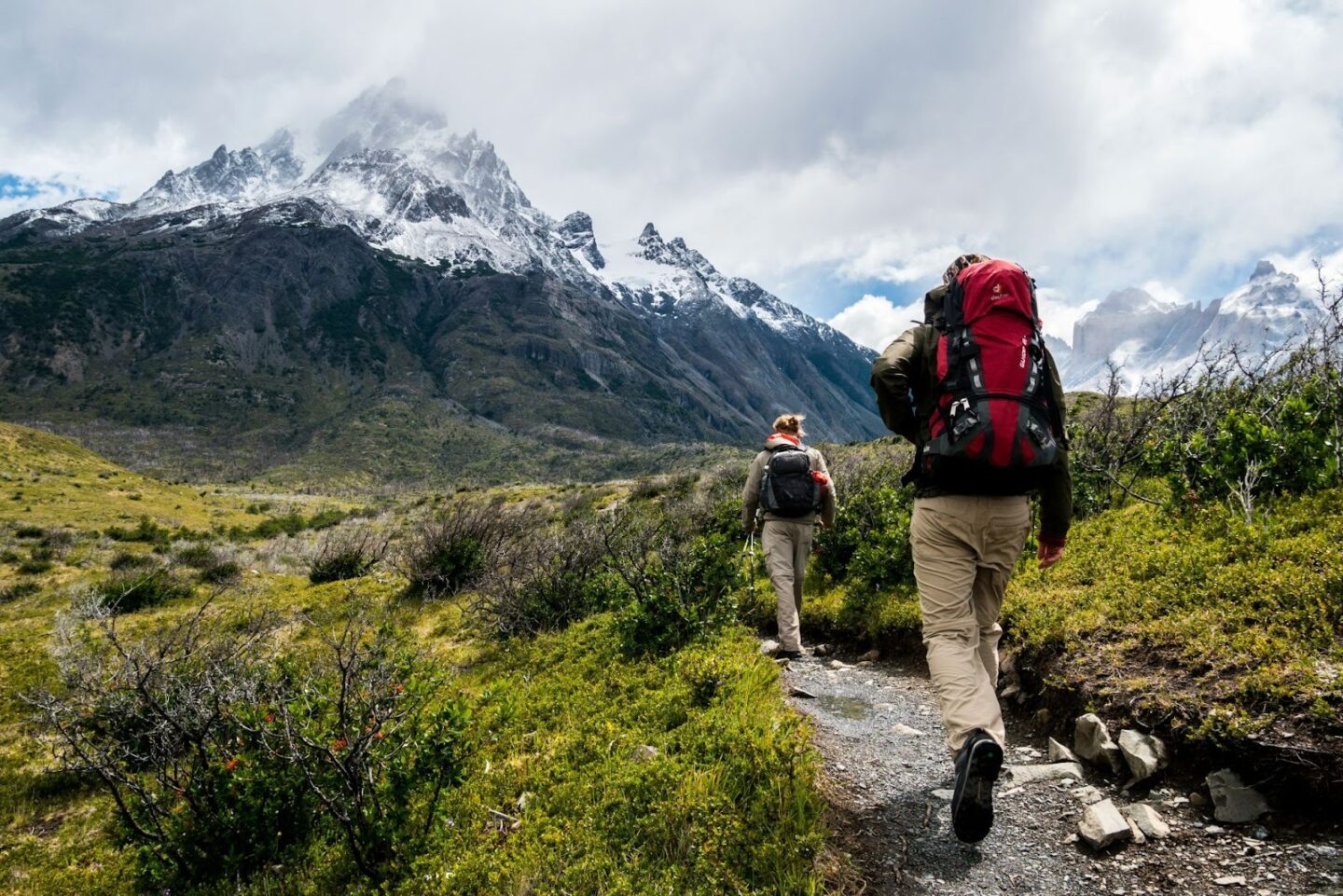
Finally, never forget to set achievable goals, especially if you are inexperienced. Becoming fit and prepared for long-distance backpacking is not something that can be achieved overnight; therefore, you need manageable goals.
These will vary depending on your experience, current fitness level, etc, but the best method is to split your route into sections and then work on them individually. For instance, if day 1 is a straightforward but long hike, work towards developing the aerobic strength to handle it.
Not only will this prepare you for every stage of your hike or backpacking journey, but it will also tick multiple boxes. For instance, if you are fit enough to walk 20km with relative ease, it won’t matter if it is through the forest, over hills, or something in between.