

I’ve been riding in Australian cities for more than ten years, long enough to remember when cycling to work felt like swimming upstream. Bike lanes were patchy, drivers were impatient, and riding was something you either did for fitness or because you didn’t have another option. Commuting by bike wasn’t seen as practical, it was seen as stubborn.
Fast forward to today, and the tone has completely changed. E-urban bikes didn’t just appear and magically fix everything, but they shifted the conversation in a way nothing else had. What used to be a niche choice is now a genuinely smart option for everyday travel, and Australian cities are slowly reshaping themselves around that reality.
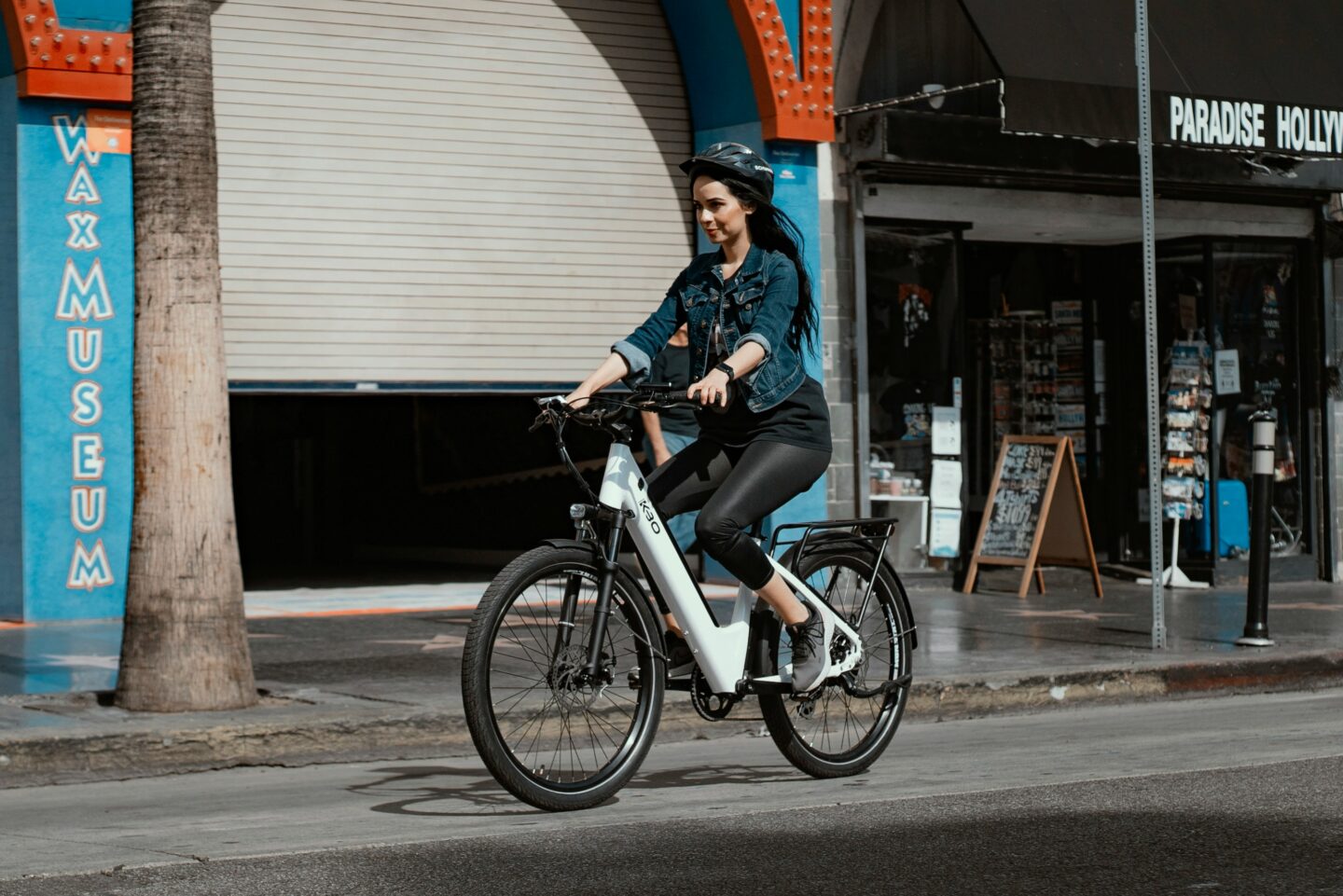
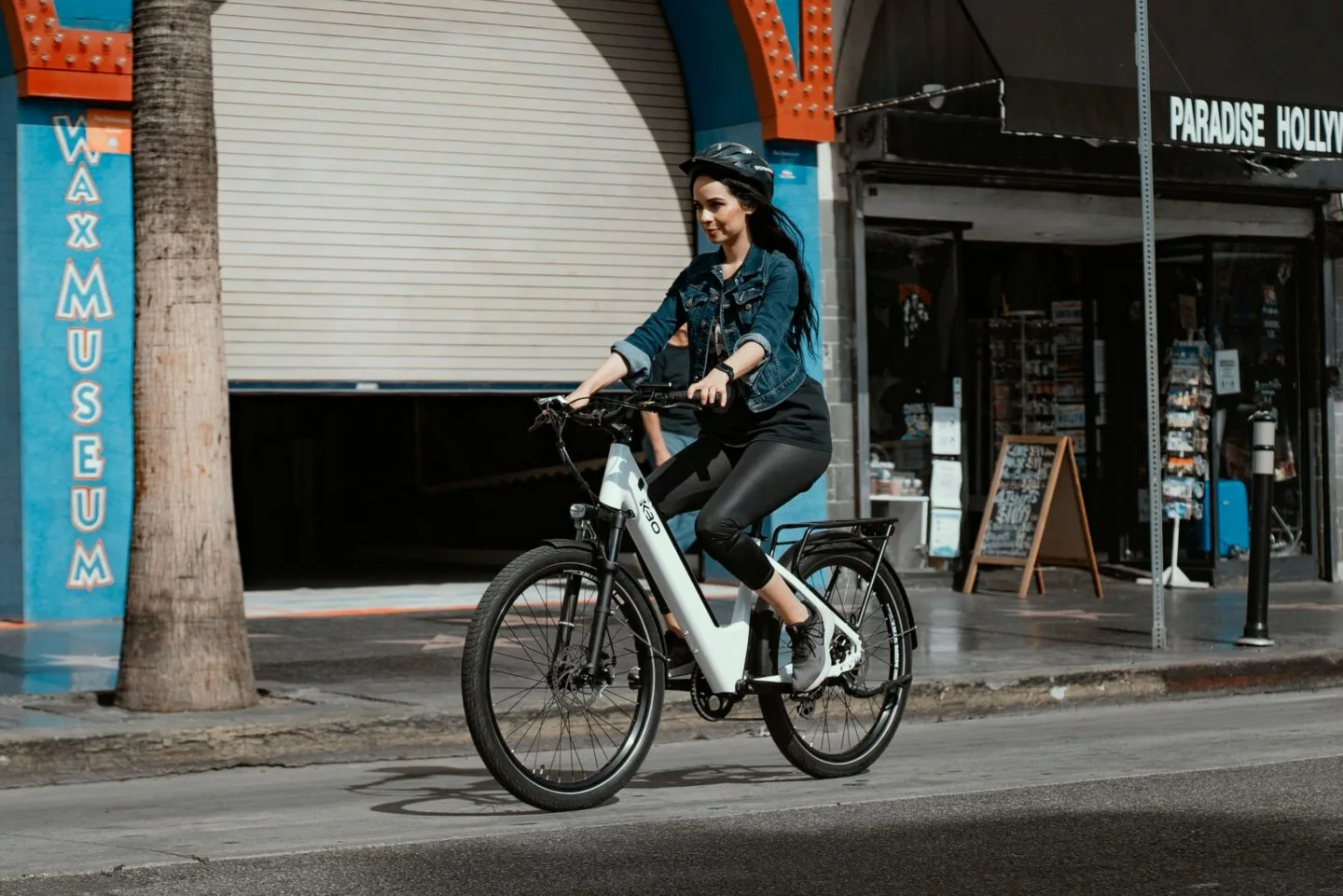
One of the biggest changes has been the rise of infrastructure designed with cyclists in mind. Cities like Melbourne, Sydney, and Brisbane have been gradually expanding dedicated bike lanes, improving connectivity, and introducing secure parking hubs. While there’s still a long way to go, these developments signal a clear shift: city planners are starting to treat cycling as a legitimate mode of transport rather than a fringe activity.
E-urban bikes themselves have played a huge role in making this shift possible. The electric assist means longer commutes and hilly routes are no longer barriers, opening up cycling to a wider demographic. Older riders, parents with kids, and people who might have previously dismissed biking as too exhausting are now embracing it. This inclusivity is changing the culture around cycling; it’s no longer just the domain of fitness enthusiasts or early adopters.
The environmental and financial benefits are also impossible to ignore. With rising fuel costs and growing awareness of climate change, more people are looking for practical ways to reduce their carbon footprint. E-urban bikes offer an affordable, low-impact alternative to driving, particularly for trips within the city. For many commuters, the choice to ride isn’t just about convenience, it’s a conscious lifestyle decision.
Technology has also accelerated adoption. App-based bike-sharing programs, GPS navigation, and integrated public transport options are making it easier than ever to plan a trip by bike. In some cities, commuters can leave their e-bike at a docking station near the train, take the train into the city, and pick up another e-bike to finish the journey. This level of connectivity makes commuting seamless and takes much of the guesswork out of cycling.
Perhaps most importantly, attitudes are changing. Drivers are becoming more accustomed to sharing the road, and local businesses are noticing the benefits of a cycling-friendly environment. Cafes, shops, and coworking spaces are increasingly installing bike racks or offering perks for riders. The cultural shift is subtle but powerful: biking is no longer seen as a quirky hobby but as a practical, respected choice for urban living.
Looking ahead, the momentum behind e-urban bikes seems set to continue. Cities are experimenting with new policies to encourage cycling, from subsidies for e-bike purchases to expanded low-traffic zones. Meanwhile, improvements in battery technology, lighter frames, and smart connectivity will make these bikes even more appealing. The challenge will be ensuring that infrastructure, safety measures, and public awareness keep pace with the technology, but the direction is clear: urban Australia is moving toward a future where cycling is not just possible, but preferable.
E-urban bikes haven’t solved every commuting problem, but they have redefined what practical mobility looks like. They offer a glimpse of cities that are cleaner, healthier, and more connected, and they remind us that sometimes, the smartest form of progress is the one you can pedal yourself.