

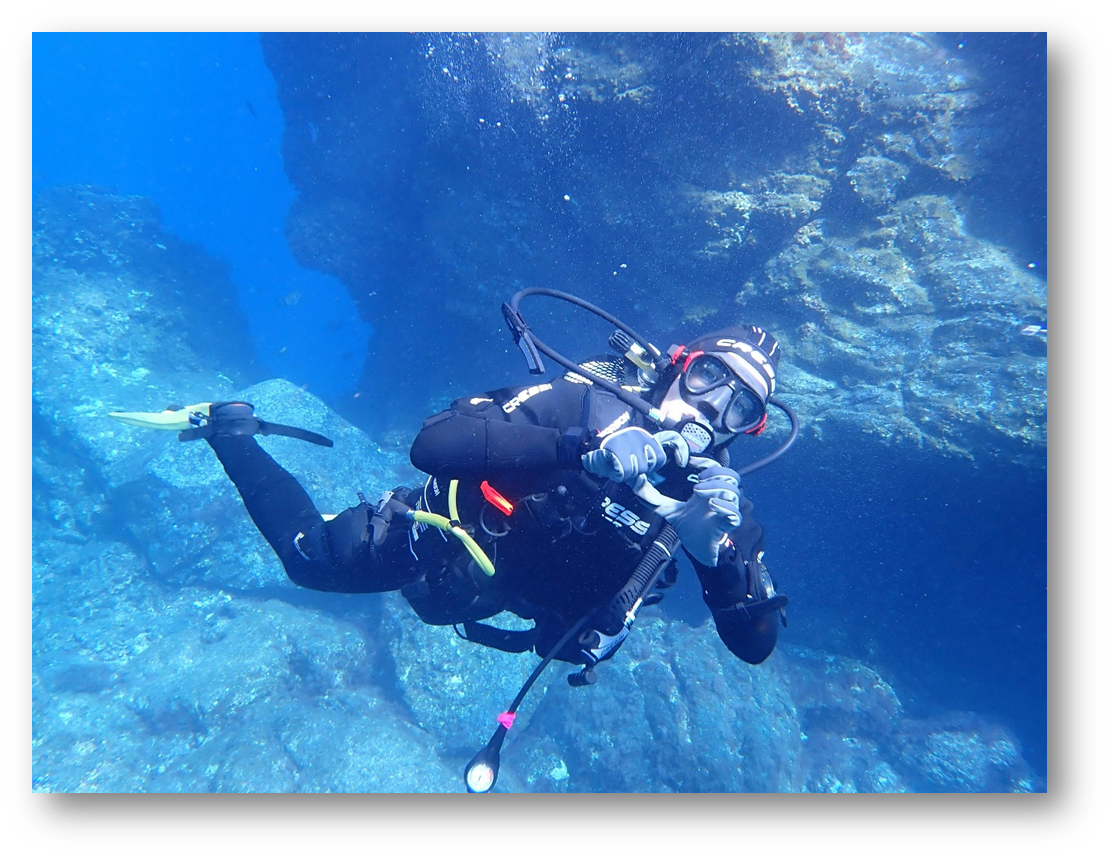
The Aegean Sea, stretching between Greece and Turkey, offers some of the Mediterranean’s most spectacular diving with crystal-clear waters reaching 30+ metre visibility, ancient shipwrecks dating back millennia, and vibrant marine ecosystems thriving in protected bays and rocky reefs. Nowhere else in the Mediterranean do history, biodiversity, and sheer underwater beauty converge quite so dramatically.
Planning an Aegean diving adventure can feel overwhelming, though. Information is scattered across Greek island travel blogs and Turkish tour operator websites. Seasonal conditions vary enormously. Dozens of dive centres make competing claims about who offers the best sites, the clearest water, and the safest boats. And if you’re a beginner, you might not even know where to start with certifications and supervised dives. Before any of that, one preparation step experienced divers consistently recommend is sorting your vision before you travel. A quality corrective dive mask ensures you see every extraordinary detail the Aegean has to offer.
This guide cuts through all of that. Here, you’ll find everything you need to plan Aegean sea diving across both Greek and Turkish waters, whether you’re a complete novice considering your first discovery dive or a certified diver ready to explore 40-metre wrecks.
Why the Aegean Sea Is a Premier Diving Destination
Exceptional Water Clarity and Conditions
Visibility in the Aegean is among the best in the Mediterranean, routinely reaching 25 to 30 metres during peak season between May and October. By comparison, the western Mediterranean often delivers 10 to 15 metres in the same period. Water temperatures follow a predictable annual cycle, climbing from around 15°C in winter to 23–25°C at peak summer. September and October remain warm enough for a 3mm wetsuit, making them some of the most pleasant months to dive in the region. Hundreds of islands and bays also act as natural windbreaks, protecting dive sites from the northerly Meltemi winds that challenge open-water sailing in summer.
Rich Marine Biodiversity and Underwater Heritage
Researchers have documented over 200 fish species in Aegean waters, alongside rich invertebrate communities, sponge gardens, and extensive Posidonia seagrass meadows. What truly separates Aegean diving from other Mediterranean destinations is the underwater cultural heritage. Ancient amphora fields, Bronze Age trading vessels, and Second World War naval wrecks now serve as artificial reefs colonised by dense marine communities. In 2024, the Greek Ministry of Culture expanded recreational diver access to several underwater archaeological sites near Alonissos in the Northern Sporades Marine Park. There is simply nothing comparable to it elsewhere in the Mediterranean.
Top Aegean Sea Dive Sites
Greek Islands
Northern Sporades Marine Park: Alonissos is Greece’s largest marine protected area. Strict fishing restrictions have allowed fish populations to recover dramatically. The Peristera Shipwreck, a 4th-century BC merchant vessel resting at 24 to 33 metres, was opened to recreational divers in 2020 and remains one of the most extraordinary accessible ancient wrecks in the world.
The Dodecanese (Rhodes, Kos, and Kalymnos) offers a dense concentration of dive centres catering to all levels. Kalymnos, famous historically as the island of sponge divers, has world-class cave and cavern diving. The Blue Cave at Telendos features stunning morning light effects and dense populations of lobster and sea bream.
East Attica: Porto Rafti and Sounion suits divers based in Athens, combining accessible shore diving, sandy bottoms, rocky reefs, and occasional amphora fields from ancient trading routes at depths of 5 to 22 metres.
Turkish Aegean Coast
The Bodrum Peninsula is the undisputed centre of scuba diving in Turkey, with over 20 documented sites within 30 minutes of the main marina. The SG-115 Turkish Navy Shipwreck rests at 18 to 28 metres, now extensively colonised by sponges, soft corals, and large groupers. The C-47 Dakota Plane Wreck sits at 24 metres in Gümüşlük Bay, retaining much of its fuselage structure and delivering extraordinary photography opportunities in visibility regularly exceeding 20 metres.
Marmaris and İçmeler are ideal for beginners. Sites like Amazon Reef at 10 to 18 metres and the Aquarium Site near İçmeler offer calm, clear conditions with colourful fish populations including parrotfish, damselfish, and Mediterranean rainbow wrasse.
When to Dive the Aegean Sea
May through October is the prime Aegean diving season. The breakdown below covers what to expect month by month so you can match conditions to your priorities.
May sees visibility climb to 22–28 metres as water warms to 18–20°C, with low crowds and excellent conditions throughout. June and July improve further, with visibility peaking at 25–30 metres and temperatures reaching 21–25°C, though popular sites around Bodrum and Rhodes get increasingly busy. August delivers the warmest water and best light for underwater photography, but very high crowds make advance booking essential. September and October are the standout months for experienced divers. Visibility remains strong at 20–28 metres, water temperatures sit comfortably at 19–24°C, prices drop 15 to 30% compared to peak summer, and you’ll often have sites almost entirely to yourself.
Winter diving from November to April is primarily for dedicated enthusiasts. Most Greek island centres close during this period, and Turkish coast operators in Bodrum and Marmaris operate only on request with reduced schedules.
For marine life encounters, sea turtles (Caretta caretta) are most commonly seen in shallow reef areas from May through September. Octopus are active and highly visible from April through October. Bottlenose and Striped dolphins range across the Aegean year-round, with frequent pod sightings from dive boats in May, June, and September.
Diving Certifications and Experience Levels
No certification is required for supervised discovery dives, offered by virtually every PADI and SSI centre across the Aegean. These introductory experiences take place in sheltered water between 3 and 6 metres, last 20 to 30 minutes, and are conducted with a certified instructor. PADI guidelines allow children from 10 years old to participate, with some operators accepting children from 8 years old with parental consent.
PADI Open Water certification takes 3 to 4 days and qualifies you to dive to 18 metres with a buddy, priced from €280 to €450 across the region. The most useful upgrades for Aegean diving include the following.
- Advanced Open Water extends your depth limit to 30 metres, opening up the majority of wreck sites in the region
- Nitrox Specialty increases bottom time at reef sites, particularly useful in September and October when conditions are prime but natural light fades earlier
- Technical certifications (TEC 40, TEC 45) are worth pursuing if your goal is accessing the deeper wrecks in the 35 to 50-metre range
If you’re planning to dive the Peristera Shipwreck or the SG-115, Advanced Open Water is the minimum you’ll want. Discovery dives simply won’t get you there.
Choosing Dive Operators
Every reputable centre should display current PADI Resort or Dive Centre status, or equivalent SSI certification. In Turkey, look for operators also registered with TÜSSAD, the Turkish Underwater Sports Federation. Ask to see individual instructor credentials, confirm that regulators are serviced annually, and check that group sizes are limited to 4 to 6 certified divers per guide.
Red flags worth avoiding:
- Pressure to sign up on the spot without time to review the itinerary or equipment
- Vague or evasive answers about equipment service history
- Discovery dive ratios above one instructor per two beginners
- Reviews mentioning repeated equipment failures or cancellations without refund
None of these are deal-breakers individually if there’s a solid explanation, but a pattern of them is reason to look elsewhere.
What to Expect on Pricing
Costs vary between the Greek islands and the Turkish Aegean coast, with Greek operators typically charging a modest premium. The figures below reflect current market rates across the region.
| Experience | Typical Price Range |
| Boat-based discovery dive (equipment and briefing included) | €50–90 |
| Certified two-dive day trip (boat, guide, tanks, weights, lunch) | €45–90 |
| Full equipment rental per day | €20–45 |
| PADI Open Water course (all materials included) | €280–450 |
| Multi-day liveaboard (accommodation, all dives, meals) | €150–250 per day |
For July and August travel, book 2 to 3 months in advance. May, June, September, and October offer considerably more flexibility, lower prices, and operators who have time for thorough site briefings.
Practical Tips for Aegean Sea Diving
Wetsuit Selection by Season
Choosing the right wetsuit thickness matters more than most first-time visitors expect. The Aegean’s surface warmth can be deceptive, particularly at depth. Use this as a practical guide.
- November to April: 7mm suit or drysuit
- May and October: 5mm full suit
- June and September: 3mm full suit
- July and August (shallow dives to 15 metres): 3mm shorty acceptable
- July and August (20 metres or deeper): 3mm full suit preferable
Gear Worth Bringing from Home
Bringing your own mask and fins is strongly recommended even if you rent everything else. A well-fitting mask eliminates the most common rental complaint, which is flooding from a poor face seal. Prescription dive masks are rarely available through rental fleets, so divers with vision correction needs should arrange a custom prescription dive mask before travelling. The difference between squinting at blurry shapes and clearly reading depth gauges, identifying fish species, and tracking your buddy at 25 metres of visibility is significant.
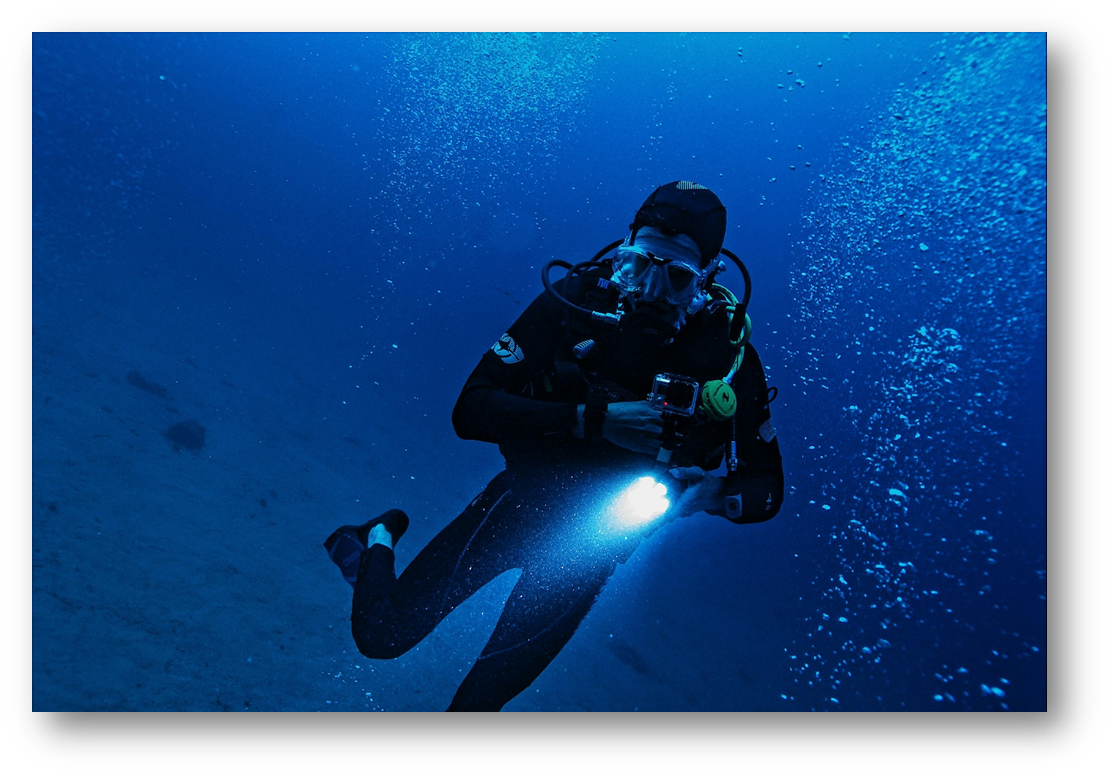
A personal dive computer is essential for certified divers planning multiple dives per day. The Aegean’s exceptional visibility makes it tempting to extend bottom time beyond safe limits, and a personal computer provides the safety backstop that relying on a guide alone cannot guarantee. Dive lights are valuable even during daytime dives for illuminating crevices where moray eels, lobsters, and nudibranchs shelter.
Dive Insurance: Not Optional
Standard travel insurance typically excludes diving. DAN (Divers Alert Network) membership includes emergency medical evacuation and hyperbaric treatment coverage worldwide for approximately $35–65 per year and is the industry standard among experienced recreational divers.
The nearest hyperbaric chambers to major Aegean dive areas are in Bodrum, Rhodes, Athens, and Izmir. Confirm your operator’s emergency action plan before entering the water, and make sure you have the chamber’s contact number stored on your phone. It takes less than two minutes and removes an enormous amount of uncertainty in the unlikely event something goes wrong.
Frequently Asked Questions
- Do I need to speak Greek or Turkish to dive in the Aegean?
No. English is the working language at virtually every dive centre catering to international visitors across both countries. Safety briefings, dive flags, hand signals, and emergency protocols are all delivered in English as standard. Some centres in Bodrum and Rhodes also offer briefings in German, French, and Russian during peak season.
- Can I dive in both Greek and Turkish waters on the same trip?
Yes, with some planning. A number of Dodecanese islands sit within a short ferry ride of the Turkish coast, and several liveaboard operators run multi-day itineraries crossing both sides. Check visa requirements before travelling: EU citizens currently enter both countries visa-free, while other nationalities should verify current rules before booking.
- What marine life can I realistically expect to see?
On a typical Aegean reef dive, expect octopus, moray eels, sea bream, damselfish, wrasse, and nudibranchs as reliable sightings. Groupers are common around wrecks and rocky outcrops. Sea turtles appear regularly in shallower areas near seagrass beds, particularly from June through August. Seahorses are present but require a slow, patient approach and a guide who knows where to look. Dolphin sightings from the boat are fairly common, though you’re unlikely to encounter them underwater.
- Is Aegean diving suitable for children?
Yes, within limits. PADI Bubblemaker programmes accept children from 8 years old in water no deeper than 2 metres, and Junior Open Water certification is available from age 10. The calm, sheltered bays around Marmaris, İçmeler, and Alonissos are particularly well suited to younger divers taking their first steps. Confirm age requirements and group sizes directly with your chosen operator.
- How far in advance should I book a liveaboard?
For July and August departures on established routes, 3 to 4 months ahead is realistic for getting your preferred cabin and itinerary. Shoulder season (May, June, September, October) liveaboards can often be booked 4 to 6 weeks in advance, though popular operators still fill up. Last-minute deals occasionally appear in October as operators look to fill remaining berths before the season closes.
Plan Your Aegean Diving Adventure
The Aegean Sea delivers world-class diving with exceptional visibility, remarkable marine diversity, and underwater archaeological access that has no equivalent elsewhere in the Mediterranean. Peak season runs May through October, with May, September, and October offering the ideal balance of excellent conditions, manageable crowds, and lower prices.
The practical path forward is straightforward. Identify your skill level and primary interests, whether that’s wreck diving, marine life photography, archaeological sites, or a first experience underwater. Research PADI-certified operators in your preferred locations using the standards outlined in this guide. Book well ahead for summer travel, or enjoy the flexibility of shoulder-season diving with more attentive guides and quieter sites.
One final step that’s easy to overlook: make sure your vision is ready for everything 30-metre visibility is about to reveal. Rental masks rarely fit well enough to take full advantage of conditions that divers travel specifically to experience. A custom prescription dive mask sorted before you leave home means you spend your time underwater watching octopus change colour and reading amphora fields, not chasing a blurry outline of what everyone else can see clearly.
The Aegean has been drawing divers for decades for very good reason. Once you’ve been down there, you’ll understand why.