

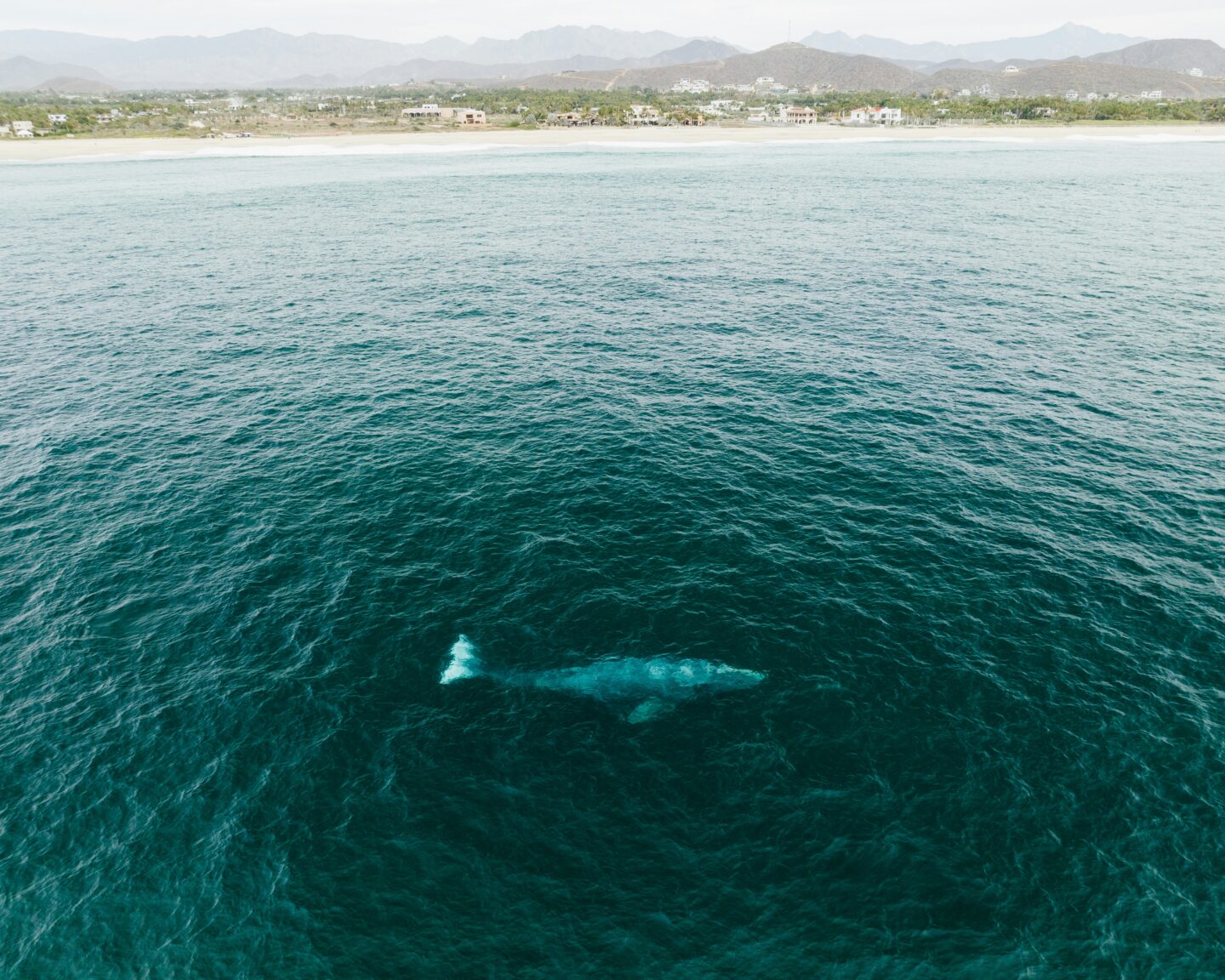
Whales are some of the majestic creatures of earth whose one sight can change your perspective about life and beauty.
Imagine watching the biggest animal in the world rise from the depths of the sea, breathing, and then disappearing beneath the waves.
It’s a once in a lifetime experience you can never forget. And if you really want to see these gentle giants in their best glory, there is nowhere better than Baja California, Mexico.
Travelers who are planning whale watching trips in Baja California with Baja Expeditions can discover some of the world’s most exciting opportunities to see whales in their most natural habitats, with other rich marine lives and several water experiences for life.
Why Is Baja California Special for Whale Watching?
Baja California is situated between the Pacific Ocean and the Sea of Cortez. Its waters become home to several whale species during winter.
Every winter, many whales travel thousands of miles from colder feeding waters towards the warmer waters of Mexico.
These whales come here to mate, give birth and raise their calves before they begin their journey towards the north again.
So, when you come to Mexico, you can spot gray whales, humpback whales, blue whales and fin whales beautifully. However, it depends on the location & seasons too. Plus, there are Dolphins and Sea Lions that will make your trip more exciting and closer to watery life.
When Is the Best Time to Watch Whales?
The best time is genuinely winters because whales come to the warm waters of Mexico to mate and raise their calves. However, specifically, their seasons run from December to April.
January to March is the best time to watch them. During this, you can spot gray whales, humpback, and blue whales.
If you want to see mother whales with their calves, visit during the middle or later part of the period.
However, it depends on natural conditions.
Best Places for Whale Watching in Baja California:
Here are the three best locations to encounter Whales.
1. San Ignacio Lagoon:
It is a protected lagoon and is famous for Gray Whales. It is a popular destination for seeing mother whales and their calves.
2. Cabo San Lucas:
It is at the southern tip of the peninsula. It’s a popular place to see humpback whales in their natural habitats.
3. Loreto and the Sea of Cortez:
Here, you can spot the Blue Whales, Fin Whales, and other marine animals with beautiful scenic views.
What Should First-Time Visitors Remember about Whale Watching?
As first timers, you should be extra careful about whale watching:
- Go with trained guides to observe whales closely.
- Wear comfortable clothing.
- Carry sunscreen, sunglasses, and a hat.
- You can bring binoculars and a camera.
- Bring a light jacket for changing sea conditions.
- Follow your guide’s instructions.
- Don’t feed or disturb the whale.
Conclusion:
Whale watching in Baja California offers more than just beautiful ocean views. But it should harm a single marine life body.
For maintaining that, always choose an authorized tour and follow local wildlife protection rules. Don’t feed, chase, or disturb whales and respect them properly.