
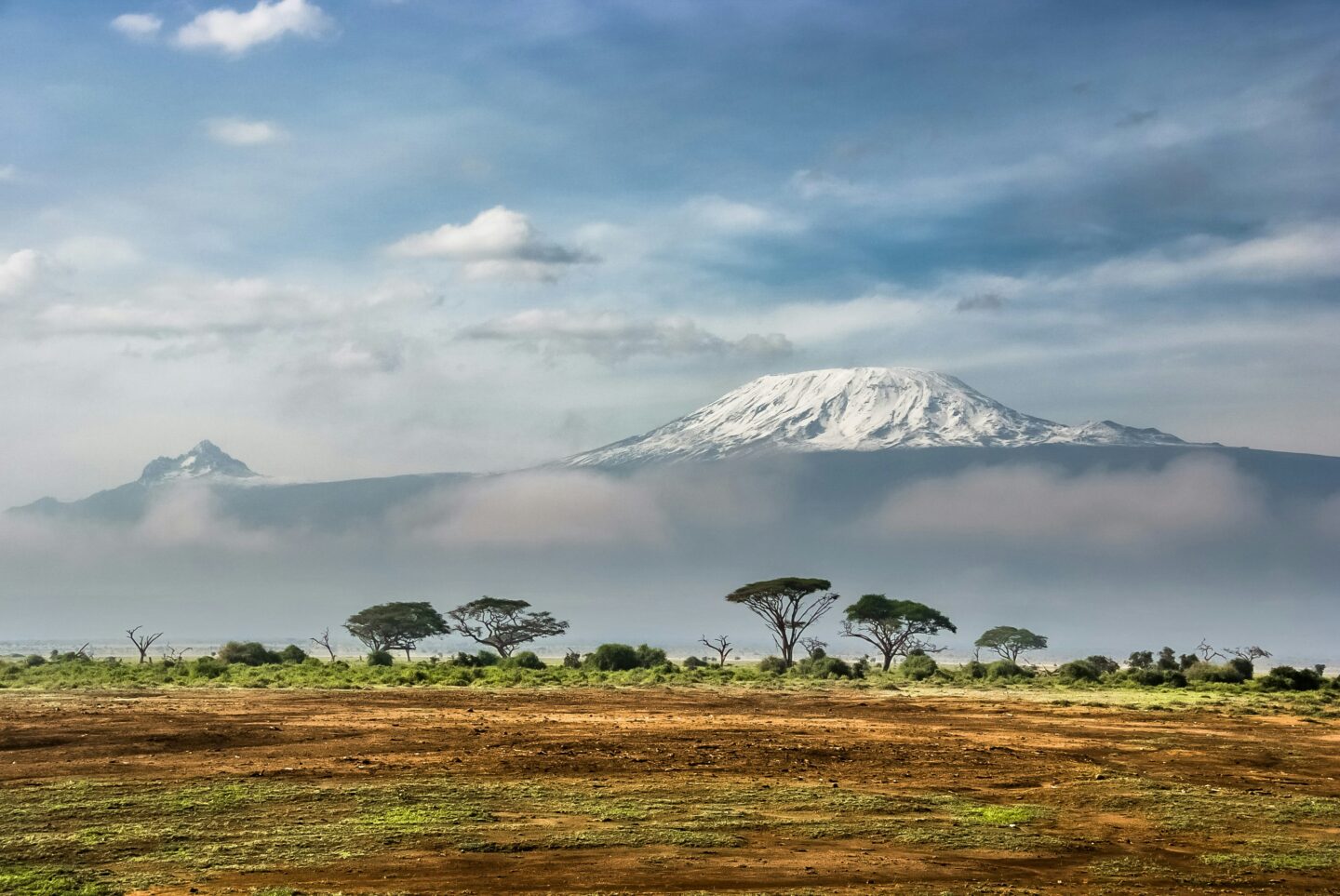
Kilimanjaro has a funny way of humbling confident hikers and rewarding steady, patient ones. It’s not a technical climb, no ropes, no scrambling skills required on the standard routes yet it defeats plenty of otherwise “fit” people. That’s because success is less about peak athleticism and more about sustainable endurance, smart pacing, and how your body handles altitude.
So, how fit do you actually need to be? Fit enough to walk uphill for hours, day after day, with limited recovery, while breathing air that gradually gives you less oxygen. The good news: that’s trainable for most healthy adults. The hard truth: gym strength alone won’t save you if you ignore aerobic base, hiking specificity, and acclimatization.
Kilimanjaro Is an Endurance Event Disguised as a Hike
Most summit attempts follow the “walk high, sleep low” rhythm as you move from rainforest to alpine desert and finally to the crater zone. Typical days involve 4–8 hours of hiking, with a few longer pushes depending on route and itinerary. Summit night is the outlier: often 10–14 hours of slow movement in the cold and dark, finishing with a long descent.
The intensity is usually low think brisk walking rather than hard running, but the duration stacks up. That means:
- Your aerobic engine matters more than your max power.
- Your muscular endurance (especially calves, quads, glutes) matters more than one-rep strength.
- Your recovery capacity matters because you have to do it again tomorrow.
If you can comfortably handle long, steady efforts without getting wrecked, you’re in the right zone.
A Practical Fitness Baseline (No Mythical “Perfect” Standard)
People love a definitive benchmark “Can I do X, yes or no?” but Kilimanjaro is messy. Weather, altitude response, sleep, and pacing all change the experience. Still, a few real-world baselines are useful.
Cardio: Can You Sustain Easy Effort for Hours?
A good target is being able to do a 2–4 hour hike on rolling terrain at a conversational pace and wake up the next day feeling “tired but functional,” not broken. If you’re gasping on modest inclines or need long stops to recover, build more aerobic base before you go.
Legs: Downhill Strength Is the Silent Dealbreaker
Many people train for the uphill and forget that the descent can be brutal. The way down often causes more soreness than summit night. If you’ve ever finished a hike with shaky legs on the downhill, take that seriously.
Training that helps: step-downs, split squats, lunges, and best of all regular hiking that includes long descents.
Pack Tolerance: Even a Light Daypack Changes Things
You won’t carry expedition loads on most treks, but you’ll still hike with a daypack. Being comfortable walking for hours with 5–8 kg (water, layers, snacks) is a practical goal.
Fitness Isn’t the Main Risk, Altitude Is
Here’s the part people underestimate: the biggest reason strong hikers fail isn’t weak legs, it’s poor acclimatization. At altitude, your pace slows and your heart rate climbs at efforts that would normally feel easy. You can’t “tough it out” through altitude illness, and attempting to do so is how people get into trouble.
This is why itinerary choice matters as much as your training. A longer schedule generally improves acclimatization and reduces the pressure to rush. If you’re weighing options, it’s worth reading route and pacing guidance from an experienced operator and choosing something like a guided Mount Kilimanjaro climbing tour that emphasizes gradual acclimatization, not just a fast itinerary that looks good on paper.
What to Train (and What to Stop Worrying About)
You don’t need to become a marathoner. You also don’t need an extreme bootcamp plan that leaves you injured before you arrive. Aim for consistent, specific training over 8–12 weeks (longer if you’re starting from scratch).
The “Big Three” to Prioritize
1) Zone 2 cardio (easy but steady)
This is the engine room. Think brisk walking, incline treadmill, cycling, jogging, stair machine, anything you can sustain while breathing a bit harder but still able to talk in short sentences. Build to 3–5 sessions per week.
2) Hiking specificity
Weekend hikes are your best simulation tool. Gradually increase time on feet. If you don’t have hills, use stairs or treadmill incline. Add a light pack.
3) Strength for durability (not bodybuilding)
Two short sessions per week can make a huge difference. Focus on single-leg strength and posterior chain: step-ups, lunges, split squats, deadlifts (light/moderate), calf raises, and core bracing.
If you want one simple readiness check, here’s a single (and only) bullet list to keep it concrete:
- You can walk for 90 minutes uphill (or on steep incline) at a steady pace without needing frequent stops.
- You can hike 3–4 hours on a weekend and recover well enough to train again within 48 hours.
- You can do controlled step-ups for 10–15 minutes without your legs burning out.
- You’ve practiced at least a few long downhills (or step-down variations) to condition quads and knees.
What Not to Overemphasize
- Sprint fitness: Useful, but not the limiter for most climbers.
- Heavy max lifting: Great for general strength, but it doesn’t translate directly to multi-hour uphill walking.
- “Detox” or crash dieting: Energy availability and recovery matter more than rapid weight changes right before travel.
Pacing and Recovery: The Hidden Fitness Skills
Kilimanjaro rewards restraint. You’ve probably heard “pole pole” (slowly, slowly). It’s not a slogan it’s strategy.
Train this skill by practicing steady pacing on hikes: no surges, no racing up the hill, no proving anything on day one. On the mountain, consistency protects your energy and may improve acclimatization by avoiding unnecessary spikes in exertion.
Recovery habits also count as fitness multipliers:
- Sleep whenever you can (even if it’s broken).
- Eat even when appetite dips, small, frequent snacks help.
- Hydrate steadily, but don’t force water to the point of nausea.
- Use trekking poles to reduce impact, especially descending.
So…How Fit Do You Need to Be?
Fit enough to keep moving comfortably for hours at a low intensity, and durable enough to repeat that effort several days in a row. If you can train a steady aerobic base, strengthen your legs for long descents, and choose an itinerary that respects acclimatization, you’re setting yourself up for the best version of the Kilimanjaro experience one where the challenge feels real, but not reckless.
And if you’re not there yet? That’s not a dealbreaker. It just means your most important preparation step is time: time to build consistency, time to hike, and time to arrive on the mountain ready to go slow and finish strong.