

Being 3,400 meters high in the Peruvian Andes, “good weather” in Cusco means something a little different to us back at sea level. Temperature swings are extreme, with the days having intense sun and the nights being very cold. On top of that, there aren’t four seasons in Cusco, but two very distinct ones.
Timing a trip to a place like Cusco is very important. It’s not like London and Paris where it doesn’t make much difference because the cities are so built-up and seasonal changes are quite mild. Cusco visitors are often looking to trek or partake in cultural festivals, so knowing when and where to go will determine the success of your trip.
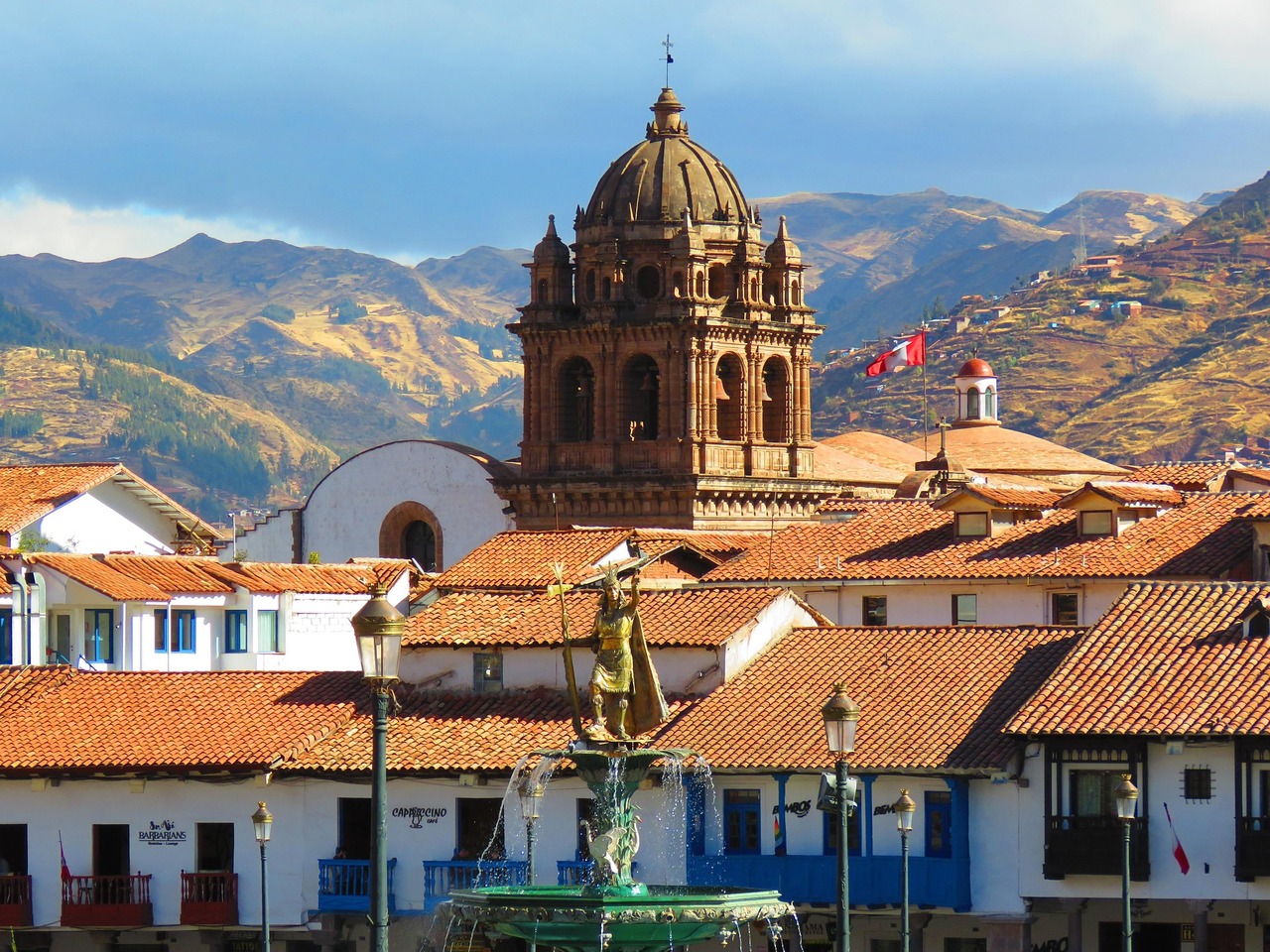
When the dry season runs (best for hiking and Machu Picchu)
The dry season in Cusco is from May through October – very different to the South East Asian dry season timings. During these months the skies are clearer and rainfall is minimal, which means better trail conditions on the Inca Trail and more predictable visibility at Machu Picchu.
Daytime temperatures are mild (often into the mid-teens °C / mid-50s–60s °F) while nights are cold because of the high altitude and clear skies. For outdoor activities and photography, this is the simplest weather window.
May to October being the dry period is unfortunate in some ways, as it’s not the winter escape that many of us are looking for in the northern hemisphere. It also means it’s during the school holidays, which are more expensive. So, if possible, be picky about going outside of these typical holidays, such as going in May, early June or late September.
When the rainy season arrives (quieter, greener, but wetter)
The rainy season goes from November through April, with the heaviest rains typically in January and February – a bit like in Europe. Trails can be muddy and some high mountain passes or secondary roads may be affected. The classic four-day Inca Trail is closed for maintenance each February (though Machu Picchu itself remains open).
So does this mean you should avoid rainy season? Well, not exactly. The countryside becomes very lush, as you can imagine, and there are of course fewer tourists. Accommodation will be much cheaper, and the tours in Cusco will have fewer people and potentially lower prices. If you don’t mind the occasional downpour or you’re there to see the city itself and its history, then wet months could be ideal.
Peak festival months and the experience of Inti Raymi
June (around the 24th) is peak festival season. Inti Raymi (the Festival of the Sun) is the biggest one. It’s a single event that draws big crowds for processions and historical reenactments. There are other events like school parades and folkloric displays which also occur in June and July. So, if you want to experience Andean culture at its most theatrical, plan for late June or early July. It will be crowded, but it will be worth it.
Best months by travel goal
- Best for trekking & clear skies: May, June (before the festival crush), July, August, September. Trails are drier and views are reliable.
- Best for festivals & cultural immersion: Late June and July will be colorful and unforgettable but busy.
- Best for lower crowds & green landscapes: November, March–April are shoulder months with fewer tourists. Still decent weather at lower elevations.
- Avoid if you want perfect trail conditions: January–February because of heavy rain and the Inca Trail closing. But come this time for the ultimate budget trip of the city.
Practical considerations
Altitude actually matters more than season in some ways, and for a lot of people. Regardless of month, you’re going to need a couple of days to acclimatize before strenuous hikes. One thing you absolutely shouldn’t do is turn up, sleep deprived, then go out drinking the first night you arrive. The hangover could be dangerously awful.
Bring many layers because of the temperature swings from day to night, along with sun-protective clothing. Merino wool is good for this, as it self regulates. If you want to join the Inca Trail, book at least a couple of months ahead for the dry season and especially for festival time. Permit quotas and hotels will fill up early.
Balancing crowds, cost, and conditions
If your priority is the best compromise between weather and fewer crowds, late April to early June and September to October are perhaps ideal. Late April/May often has cleared trails after the rains and fewer festival crowds.
Cusco really does reward its visitors year-round but in very different ways. What you want out of your time in Cusco depends on your own goals, but also your personality, budget, and interests. City dwellers and digital nomads may well find wet season to offer a more genuine experience with fewer tourists, finding it easier to engage with local museums and tours, and for more affordable prices. Ultimately, it’s down to you.