

You can usually feel the tone of a trip within the first hour after landing. The airport line, the first coffee, and the first wrong turn all matter. If those early moments go smoothly, the whole day tends to soften. And if they turn hectic, you often spend hours trying to reset.
That is why I like sorting the “getting around” part before I even pack. In Iceland, it can be as simple as choosing to rent a car online so pickup feels quick and predictable. Blue Car Rental is family owned and has options like online check in and keybox pickup. Those details sound small, yet they can keep your arrival from turning into a tired scavenger hunt.
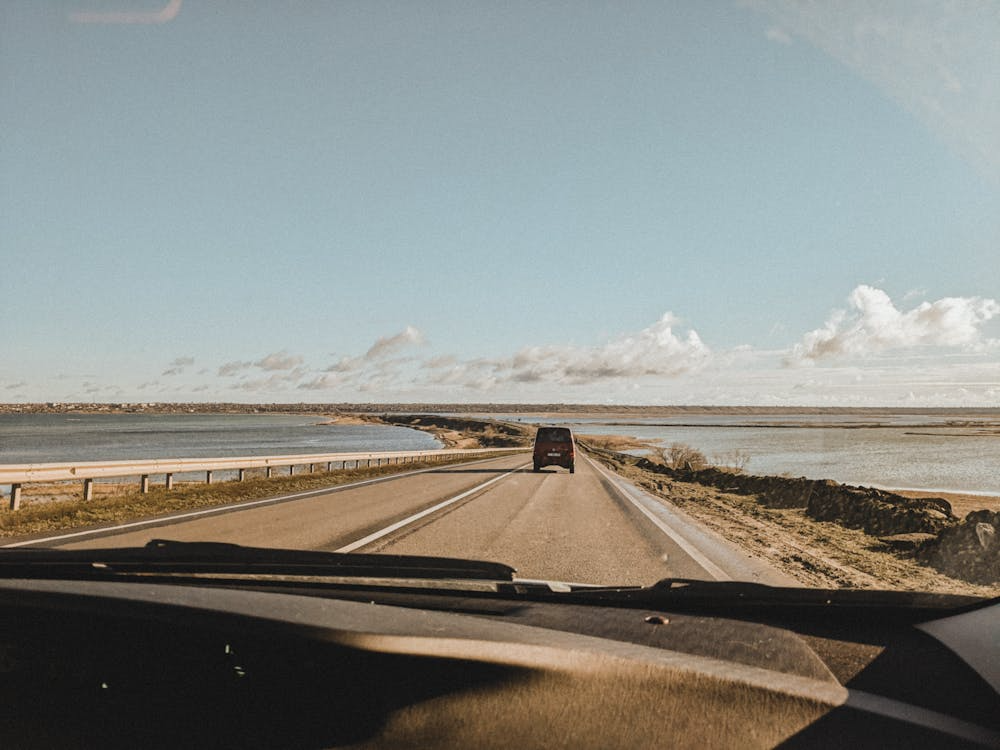
Photo by Valeriia Miller
Start With A Simple Ease Plan Before You Book Anything
Ease usually comes from a few early choices, not a packed spreadsheet. I like thinking in three anchors: where you will sleep, how you will move, and what you will do first. When those pieces are settled, the rest feels more flexible. Flexibility is often what makes a trip generous.
Solo travel gets lighter when your base area is easy to learn. Walkability helps, and so does knowing you can grab food without a big detour. I pay attention to lighting at night, the vibe of the street after dinner. Those little cues can outweigh a hotel rating.
It also helps to decide what “enough” looks like for a day. Two main stops with a long lunch can feel better than six rushed highlights. When you leave room for slow moments, you stop feeling behind. And that is when a new place starts feeling familiar.
Match Your Transport To Your Real Days, Not The Highlight Reel
New places look smooth on a screen, yet real life adds drag. A ten minute walk becomes twenty because you stop, look around, and double check directions. That is normal, so your plan should expect a little drift. Otherwise, every delay feels like a failure.
In Iceland, a car can make those in between moments feel calmer, especially if you are traveling solo. You can pull over when the light turns pretty, and you can skip stops that feel crowded. You also get more control over breaks, which matters on longer driving days. When you’re tired that control is what keeps the whole day from unraveling.
Weather and road conditions deserve a quick check before you commit to a longer route. The Icelandic Road and Coastal Administration posts updates that help you avoid surprise closures and sketchy stretches. Their travel info page for road conditions and weather is a handy bookmark when plans shift. It is not about fear, it is about avoiding an avoidable headache.
If you are choosing between buses, tours, and a rental car, a tiny checklist can clear the noise. It also helps you be honest about how you actually like to travel. Here are three questions that usually tell the truth.
- How many “must see” places are outside the city center on this trip?
- Do you feel better with group timing, or with quiet mornings and your own pace?
- Will a plan change mid day feel stressful, or does it feel like freedom?
Keep Your First Day Light With Food, Water, And One Routine
The easiest trips have one small routine you can repeat anywhere. It might be a morning cafe walk, a grocery stop, or a set time to charge everything. When you are solo, routines reduce decision fatigue. And then you stop treating every choice like it has consequences.
I also like a simple arrival kit that lives in my day bag. Water, a snack, a power bank, and whatever keeps you comfortable in transit. It is basic, yet it prevents the “why am I suddenly miserable” spiral. Once you have been hangry in a new city, you remember this forever.
Safety planning works best when it is quiet and practical, not dramatic. Keep digital copies of key documents, and share a loose plan with someone you trust. If you want a friendly reminder list, this guide on staying safe while traveling solo fits nicely into that calm prep. It reads like advice from someone who has made the usual mistakes already.
Let Weather And Timing Keep Plans Loose, Not Fragile
A lot of travel stress comes from plans that only work under perfect conditions. That can be fine in a short city break, yet it gets tricky with fast changing weather. Iceland is famous for quick shifts, so flexibility is practical. It also keeps your mood from swinging with the wind.
Before you lock in a big driving day, it helps to check a forecast that speaks to conditions. Wind and visibility can matter more than temperature, especially on open stretches. The Icelandic Meteorological Office posts regional forecasts that help you pick the smoother day. Their area forecasts are useful when you are deciding between two plans.
Timing can also make a huge difference at popular stops. Early arrivals often mean quieter views, easier parking, and a calmer pace. And if mornings are not your thing, going later can work too. The point is choosing a time that matches your energy, not someone else’s itinerary.
A Simple Ending That Keeps Trips Feeling Light
Smooth trips come from a few steady habits and a little room for real life. When transport fits your pace, arrivals feel calmer, and day trips feel less like a test. When you keep food, water, and a small routine in play, your mood holds up too. And when weather and timing guide your choices, you end up seeing more without feeling wrung out.
The nice part is that none of this needs to feel rigid. You are really just giving yourself a softer landing, and then you are letting the place meet you where you are that day. If one plan slips, you still have a good day because the basics are solid. That is the whole point. You get to come home feeling like you were present for the trip, not like you spent it chasing the clock.