

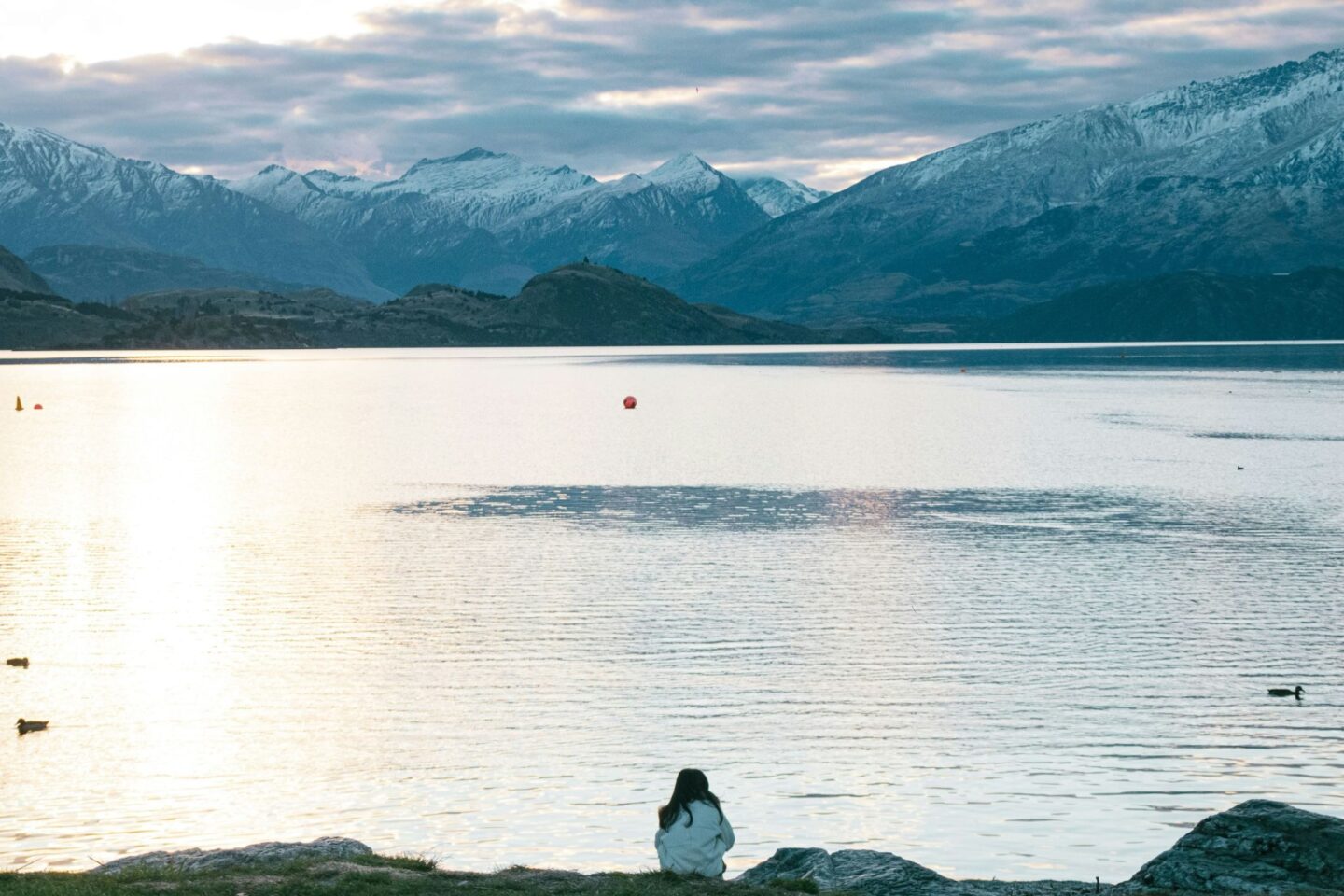
Solo travel is freeing. You can plan your days without having to think about fellow travelers. The day starts when you say it does, and you’re in charge of the destination.
But to really enjoy that trip without panic, it pays to specifically prepare for the country you are visiting. Don’t stick to generic advice like a travel newbie, but adapt based on where you’re going.
Prepare Documents Around Local Entry Rules
Depending on your passport, some countries will figuratively roll out the red carpet to welcome your arrival. You don’t have to do anything, just book your flight and go.
For others, it’s a little more complicated. You may need an ESTA from the United States or the Canadian eTA (electronic travel authorization). Or you may need to have an in-person interview at an Embassy, as many visitors to China are required to.
Just to give you an idea of what to keep in mind, here are some examples of slightly quirky documentation rules:
- The 10-year passport rule. British travelers visiting most EU and Schengen countries need to be careful that their ‘valid’ passports will allow them entry. If it was issued more than 10 years before the date of entry, you may be refused boarding. Even if the UK still considers the passport valid for travel.
- The blank pages problem. This is something that can catch out frequent travelers. When you travel, you may get a stamp upon entry. But often, a single blank page isn’t enough. Indonesia and South Africa, for example, require two. Namibia even asks for six.
- Watch for visa changes. Canadian and American citizens used to be able to go to Brazil visa-free. In April 2025, however, a new eVisa was introduced. It’s easy to get, but many either assume nothing’s changed or rely on outdated information.
Before you travel, always check the requirements first. Don’t rely on blogs or ChatGPT; check official government resources instead.
Build a Safety Plan
Safety advice changes by country, even by section of a city. A plan that will work in Berlin will be entirely inadequate for Lima. That peaceful little beach town may seem like the safest place on earth during the day, until the buses stop running and you find yourself entirely alone after sunset. To avoid sticky situations, build a safety plan:
- Share your itinerary. Whether it’s your mom, best friend, or significant other, share your itinerary.
- Send check-ins, specifically on travel days. Make sure you let people know everything is going as it should.
- Read accommodation reviews, focusing on reports from other solo travelers. What’s safe for a group of guys may not be suitable for a single woman trekking on her own.
- Avoid midnight arrivals, even if an earlier flight costs a little extra. Always have a small amount of local currency with you when you land so you can avoid ATMs or currency exchange booths when you are tired from your flight and just want to get to your accommodation. You can order this in your home country ahead of time online (from the post office in the U.K or Australia), or from a currency exchange provider like Bank of America in the U.S.
- Trust discomfort. If something doesn’t feel right, trust your gut. Even if you’re wrong, it’s better to be safe than sorry.
- Get travel insurance. You can prepare for every single eventuality, but things can still go wrong. Look for insurance with comprehensive coverage, especially if you’re looking to do extreme sports or more unique outdoor activities.
Learn the Customs Before Arrival
Customs aren’t just about being polite or learning about a new country; following expected behavior will also affect safety, comfort, and confidence. What may seem normal at home can come across as rude or careless in another country. Or worse, it may even be illegal.
Solo travelers tend to stand out more, too. If you behave out of line, someone is going to notice. Pay attention to the following before you arrive:
- Learn language basics. Duolingo will (probably) not get you to fluency, but it’s useful for the basics. Get the basic greetings down, learn how to say thank you and excuse me, and the most important ‘help’ phrases.
- Check dress expectations. In some countries, there are strict dress codes for religious sites or official government locations. But even rural towns can have certain expectations.
- Learn tipping rules. Avoid the awkward moments and learn how to tip. In the USA, it’s 20% for standard, good service. But in China and Japan, it may be perceived negatively or with confusion, with waiters routinely chasing tourists to return their ‘change’.
- Public behavior. In Germany and Italy, public drinking is common. In the United States, it’s illegal. Smoking is barred outdoors in Singapore, but in Spain it’s completely fine.
Prep is Necessary, But Not for Everything
Solo travel is about many things, and each trip is unique. It may be a way of stepping away from the everyday, the daily grind, or it’s about finding a new you. Or you just want to think about yourself only for once, without feeling guilty about it.
That all requires a little bit of prepping, but don’t obsess over every single detail. Solo travel also needs a little bit of flexibility, the willingness for it to just happen, rather than following a minute-by-minute itinerary. Prep what’s important, and enjoy the spontaneous rest.