


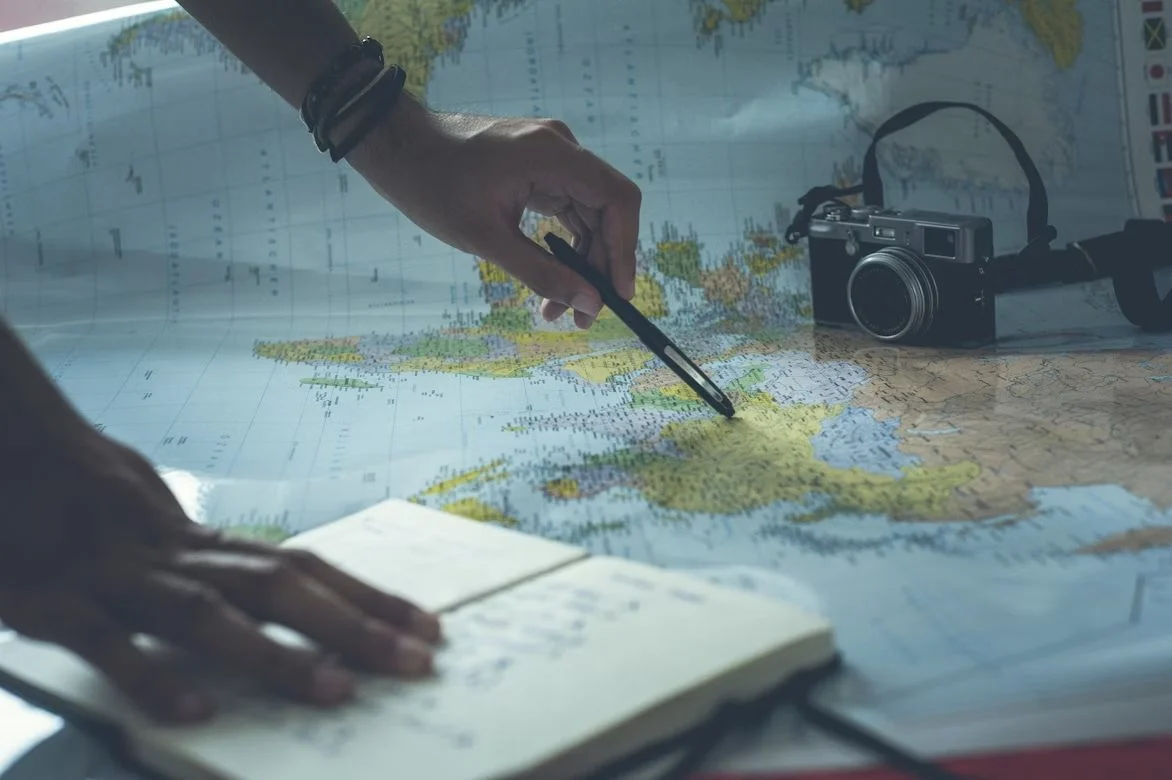
Travel may seem like rest or adventure. But for students, it can surprisingly influence writing skills in a positive way. Experiences acquired on the trip help you craft richer texts! In this article, we explore how travel can transform the way you write and think.
Why Travel Is Great Fuel for Stories
When you visit new places, you see unfamiliar cultures, landscapes, and routines. That exposure brings fresh vocabulary and new ideas for stories. Travel writing becomes rich in vocabulary and material from different cultures.
Being in a different environment sparks fresh comparisons! Those details make writing more vivid. Whether you describe food, architecture, or local customs, your insights give real material.
Creativity and New Angles
Staying in the same place can make writing feel repetitive. Traveling shakes that up. The change helps to see life differently. Authors find that new surroundings free their mind from old patterns. That creative boost helps when you describe new places, but also when you work on regular essays on a travelling topic. You’ll think outside the box more easily.
Travel as a Source for Academic Writing
Youth struggle to build essays about life, culture, or personality when they lack real examples. Journeys give those examples.
- You can use your own adventure stories.
- You can describe a local market, a mountain hike, a new city, or a conversation with a stranger.
- Even if your assignment isn’t about travel, you can draw analogies.
- Adventures can illustrate ideas about growth or challenge.
Writing about a trip can make your essay stand out, but that’s only part of what earns a good grade. Proper formatting is just as important. That’s where writing help comes in. The EduBirdie team helps students polish essays so they’re well-organized and easy to follow. And when time’s tight – like after a trip – you can count on them for help with math homework or even a lab report.
Writing Tactics You Learn While Traveling
Here are specific writing tactics that trips help you practice:
| Tactic | Benefit for Student | How an Adventure Helps |
| Show, don’t just tell | Makes the text vivid | Gives real details: smells, sounds, emotions |
| Use contrast and comparison | Highlights differences, makes new dynamic | Offers stark contrasts (new vs familiar) |
| Observational detail | Adds realism and depth | You notice cultural habits, architecture, weather, people’s behavior |
| Reflective insight | Adds meaning beyond facts | Triggers reflection on culture, identity, and growth |
| Use new vocabulary & idioms | Enriches the style | Exposure to new languages and customs broadens word choice |
Tips for Students Who Travel
When you travel, you live outside textbooks. You deal with real life: orders in local language, unexpected delays, new foods, strange streets. That real life becomes raw material for books. It pushes you to observe. Notice small gestures, routines, smells, sounds. This builds observational skills that later helps you write better!
Writing iIt’s about what you felt, thought, and learned. Try to recall scenes, then examine what they meant to you. If you’ve taken your dream solo trip to Las Vegas, it becomes easier for you to write about nightlife.
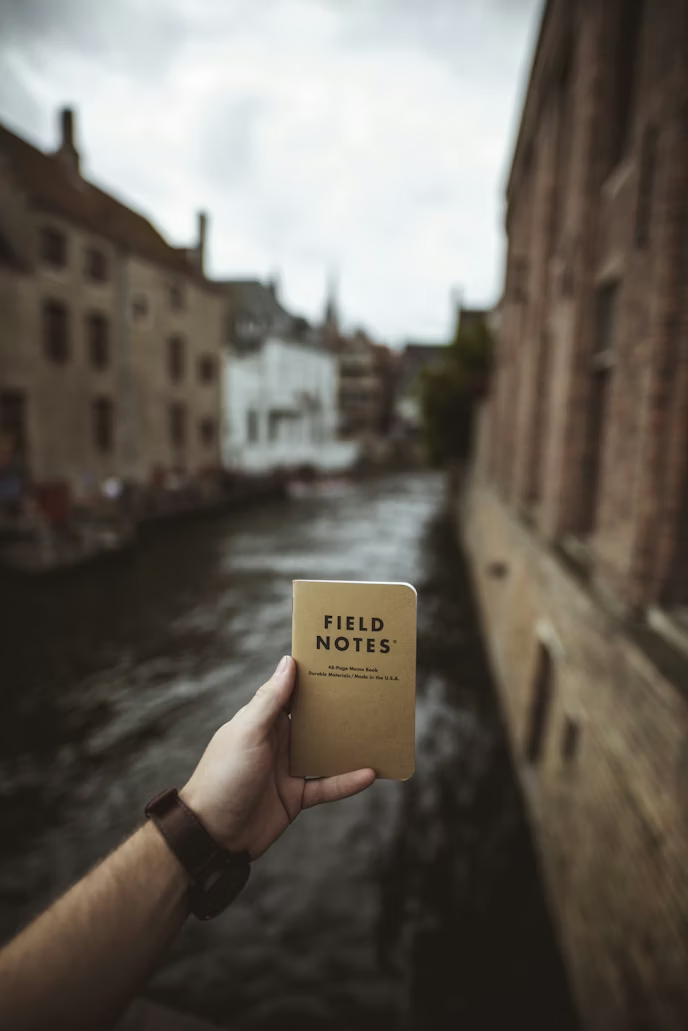
- Keep a trip journal. Note daily about what you feel, hear, taste. Even small notes help later.
- Try to reflect. Ask yourself: why did this moment matter? How did it change me?
- Use contrast: compare what you know with what you see abroad. That creates engaging texts.
- Practice writing essay on travelling soon after while memories are still fresh.
- Read blogs to see how people turn everyday journeys into stories.
Conclusion
Adventure opens your mind. It gives new students tactics, fresh vocabulary, and real‑life moments. Those become fuel for engaging texts! Whether you craft essays, school assignments or stories – travel improves your writing craft.