

Getting around a new place on your own can feel exciting and a little unfamiliar. Every city has its own rhythm, and easing into that rhythm often helps you settle more quickly. Whether you enjoy slow morning walks, like having a bike for short trips, or prefer rideshares at night, a few simple habits can make each choice feel safer and more comfortable.
Traveling solo is often a blend of being open to new experiences while also taking care of yourself. These suggestions can help you enjoy both sides of that balance.
Walking Safely as a Solo Traveler
Walking gives you the chance to really absorb a place. Many travelers appreciate how easy it is to notice interesting little things when moving at a slower pace. Staying aware of what is happening around you, especially when checking your phone for directions, helps you feel more grounded. Holding your phone closer to your body rather than out in front makes it easier to keep track of your surroundings without feeling exposed.
Lighting can change the way an area feels. Streets that look fine during the day may feel different at night, so choosing well-lit or busier routes can make your walk more comfortable. A crossbody bag with a zipper eliminates the worry of losing loose belongings, and knowing your general route before you leave helps you feel more relaxed about exploring. You can let the walk unfold naturally without rushing.
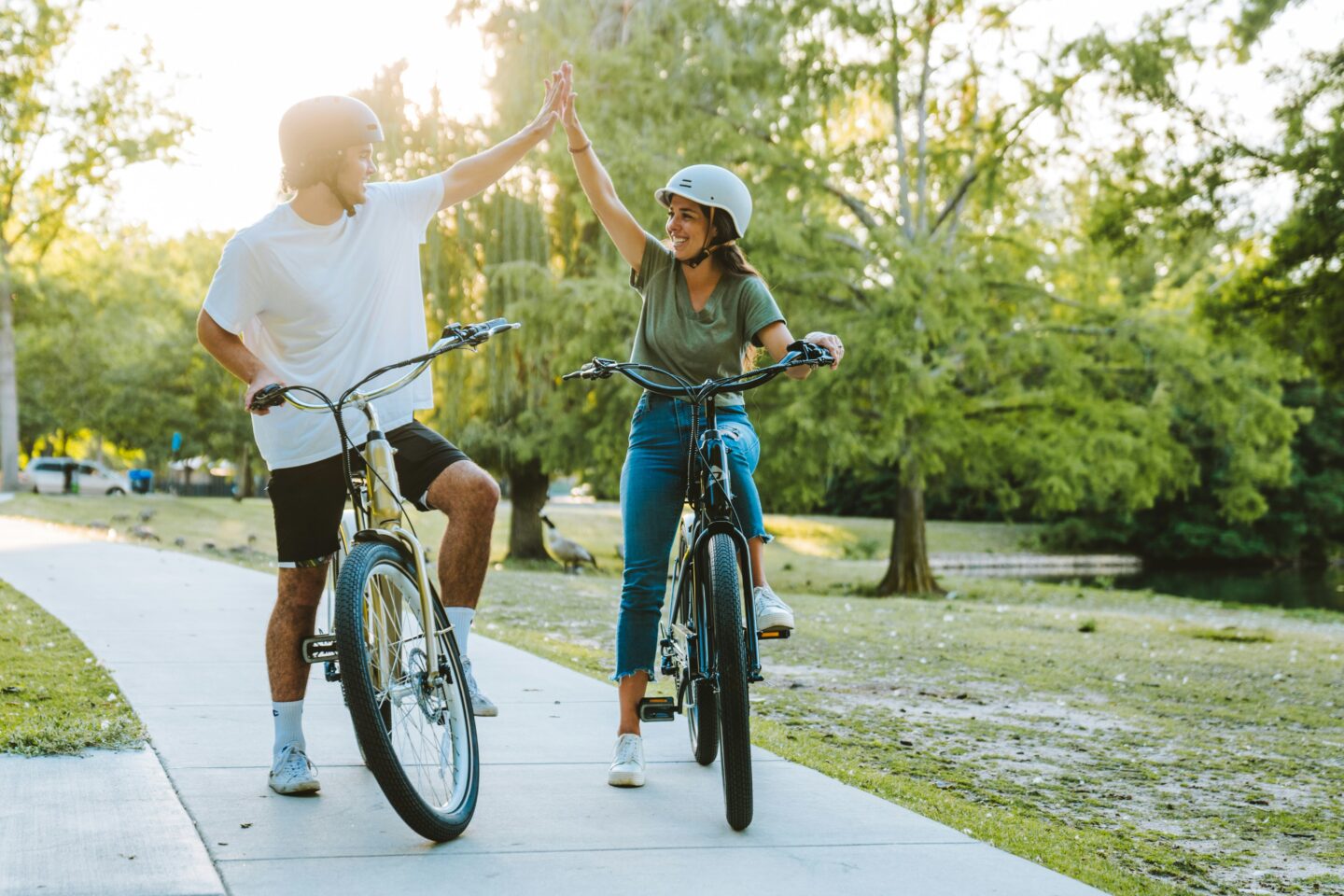
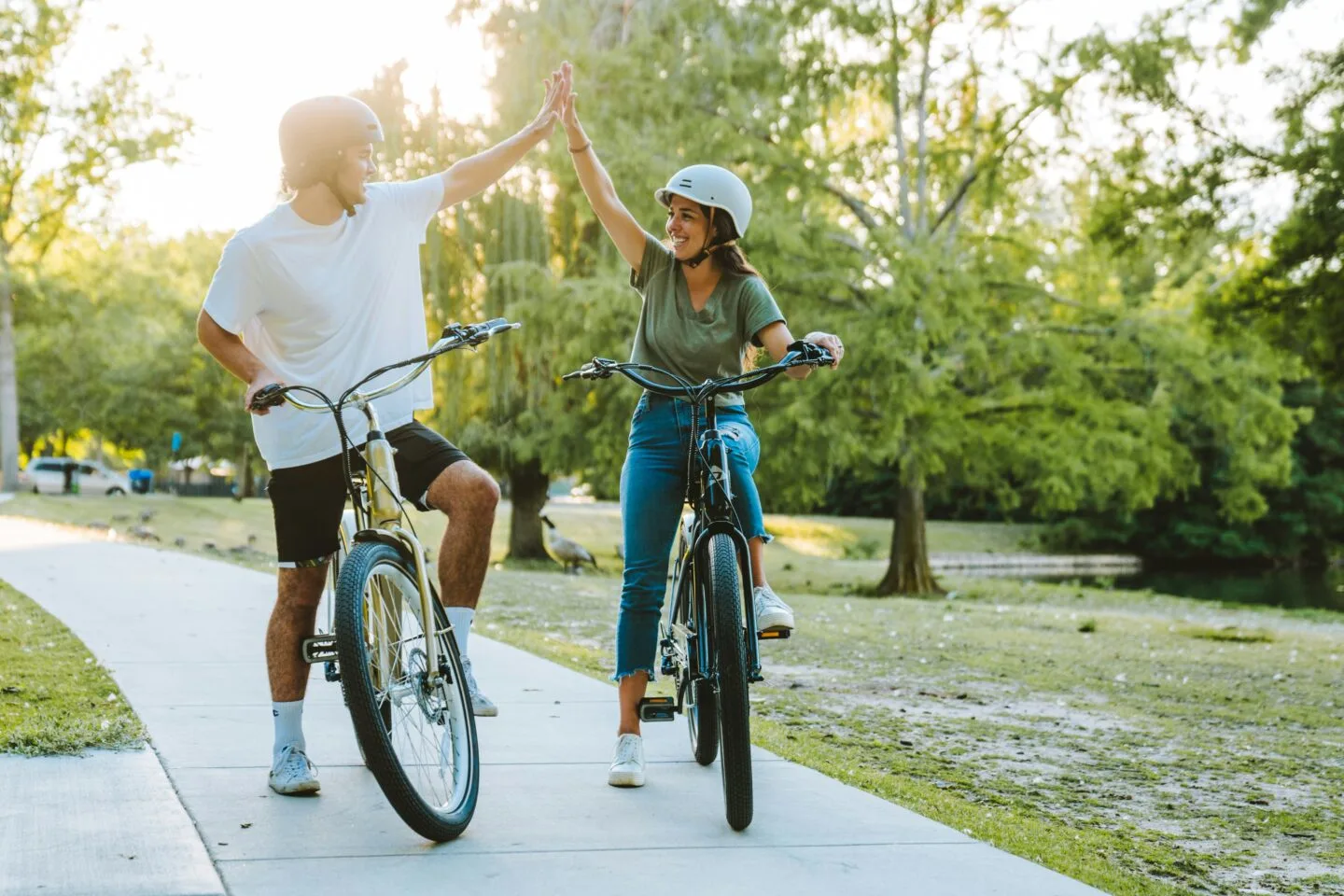
Biking Safely for Solo Travelers
Renting a bike or using a city bike program can be a lovely way to explore at your own pace. Cycling feels different from city to city, which is part of what makes it interesting. New York City has plenty of marked lanes, but it stays busy throughout the day. Los Angeles stretches out across long, wide roads where cars often move quickly. Portland has a strong cycling culture with well-marked paths and an easygoing riding community. Miami is lively and full of movement, with bikes, scooters, and visitors sharing the same areas. These small differences change how a route feels when you are on two wheels.
Dooring is a frequent issue in cities with a lot of curbside parking. Visitors often notice it in New York, Boston, or Chicago. A parked car door can open suddenly, leaving almost no time to move. You can learn more about local cycling rules through Chicago Bike Injury Lawyers, a team that handles cases involving riders and traffic laws, which can help you understand how hazards like dooring are handled in cities that see a lot of riders.
Rideshare activity also affects how steady a bike route feels. Pickups near nightlife areas in Los Angeles, busy stretches in Chicago, or waterfront paths in Seattle can lead to sudden stops or lane shifts. Watching for early signs that a driver may be slowing down, such as tapping the brakes or glancing toward the curb, gives you a moment to choose where to place yourself.
Cycling laws vary from state to state. Oregon encourages cycling with clear passing laws and rider education. Illinois expects drivers to use more care when opening doors into bike lanes. Florida follows a lighter approach in some areas, which can feel very different if you are used to cities that have invested heavily in bike safety. Understanding these differences helps you feel more prepared when riding somewhere new.
Using Public Transit Smartly
Public transit is an easy and affordable way to get around, especially during the day or for longer distances. Checking maps or schedules before you leave your accommodation helps you feel more familiar with the route, even if you have never taken it before.
Suggestions from resources such as the CDC transportation safety information can support your planning. Simple habits such as choosing a comfortable spot to sit or stand, keeping your bag zipped, and staying aware of your surroundings can make longer rides feel calmer.
Some travelers like staying closer to other passengers, especially during quieter hours. Platforms and stations also feel different at various times of day. Mornings and early evenings tend to be busy, while later hours can feel more peaceful. Checking the stop before yours, having your ticket ready, and planning where you will exit keep the experience smoother.
Rideshare Safety Tips for Solo Travelers
Rideshares are convenient for quick, direct trips, especially at night or in areas where buses and trains run less frequently. Before getting into the car, take a moment to check the license plate and confirm it matches what you see in the app. Some travelers keep the route on their screen so they can follow along during the ride.
Helpful ideas from resources like these solo travel safety tips can boost your confidence. Sitting in the back seat, sharing your trip details with someone you trust, or choosing a well-lit pickup point are small habits that often feel reassuring.
If you are leaving a busy venue, stepping a short distance away from the entrance gives you more space to spot your driver. At the end of your ride, take a moment to check that you have everything with you before getting out.
Choosing the Safest Option for the Situation
Different transport options feel better at different times. Walking is great when the streets feel lively and easy to follow. Biking works well when you have a sense of the area and traffic patterns. Public transit can be the best choice for longer distances or daytime travel. Rideshares make sense when you want a simple, direct trip, especially after dark or when carrying bags.
Your comfort level is a major factor in the decision. Weather, lighting, how busy a place feels, and even how tired you are that day can shape what makes sense at the moment. You can switch between methods throughout your trip. Paying attention to what feels right for you helps you move around with more confidence.
Conclusion
Exploring a new place on your own can feel incredibly rewarding. Walking, biking, public transit, and rideshares each offer a different way to experience a city, and feeling comfortable with each option gives you more freedom to enjoy your time. With a little preparation and a few steady habits, you can choose what feels best for you and keep discovering new places with confidence.