

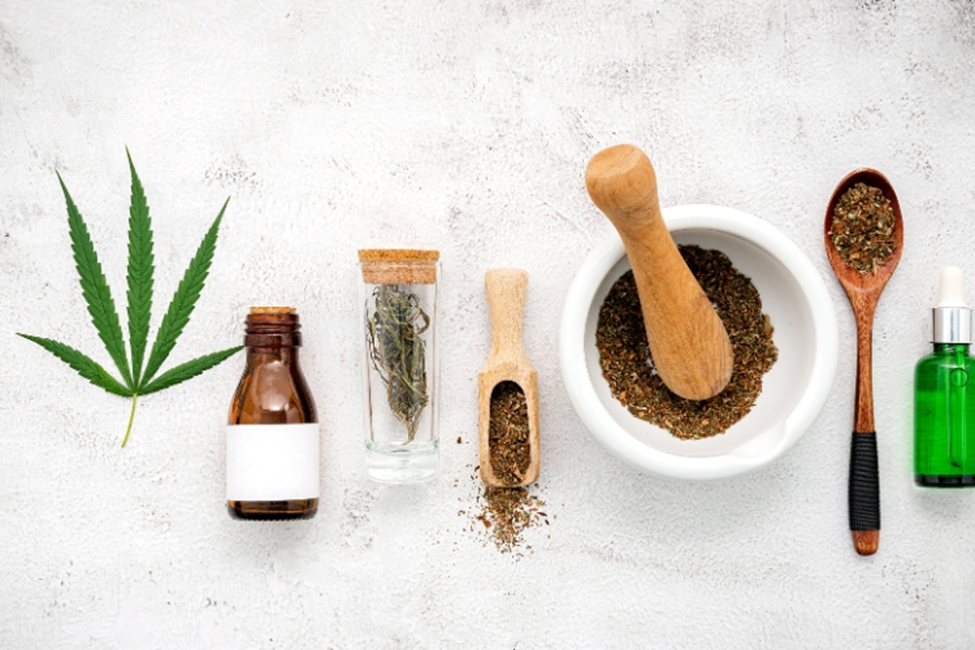
[Photo by kerdkanno on Canva].
Wellness has become far more personal than it was a decade ago. People are creating routines that reflect their individual goals, values, and lifestyles. Increasingly, people are choosing practices that help them slow down and feel more present rather than simply keeping up with the latest health trend.
At the same time, cannabis culture has undergone its own transformation. Public conversations have become more nuanced, with many adults viewing cannabis through the lens of lifestyle, education, and personal choice instead of outdated stereotypes.
Although everyone’s wellness journey looks different, the overlap between these two worlds continues to grow. Understanding why offers insight into how modern lifestyles are changing and what people value most when it comes to living well.
Wellness Is Becoming More Individual
One of the defining characteristics of modern wellness is flexibility. People are building routines around what genuinely supports their physical, emotional, and mental well-being.
Someone might begin the morning with a walk before work, while another person prefers journaling over coffee or spending time tending to a vegetable garden. These habits may look very different on the surface, but they all reflect a broader shift toward intentional living.
This personalized approach has also encouraged people to ask better questions about the choices they make. As a result, wellness now includes emotional resilience, stress management, meaningful hobbies, strong social connections, and creating environments that promote relaxation. Cannabis has naturally entered these conversations because many adults view it as one option that fits into their broader lifestyle choices rather than defining them.
Nature Is Playing a Bigger Role in Everyday Wellness
As daily life becomes increasingly digital, many people are actively seeking opportunities to reconnect with nature. Gardening, hiking, birdwatching, camping, and simply spending time outside have become meaningful ways to disconnect from constant notifications and busy schedules.
Gardening, in particular, offers benefits that extend beyond producing plants. It encourages patience, consistency, observation, and problem-solving. Watching something grow over weeks or months creates a sense of accomplishment that many people find rewarding.
Creating outdoor spaces has also become an extension of self-care. A balcony filled with containers, a backyard vegetable patch, or a quiet seating area surrounded by greenery can provide a welcome escape from daily pressures. These environments encourage people to slow down and spend time away from screens while enjoying fresh air and natural surroundings.
This growing interest in home cultivation has naturally extended to cannabis, where it is legally permitted. Many people are curious about the gardening process itself, treating it as another opportunity to learn practical skills and develop a rewarding hobby.
For adults looking to understand different seed varieties or cultivation methods, Grower’s Choice Seeds provides educational resources for those interested in legal home growing. Exploring information available through https://www.growerschoiceseeds.us/ can help gardeners better understand the cultivation process while supporting informed and responsible decisions.
Mindful Living Is Replacing Old Assumptions
Another noticeable shift is that wellness is increasingly about making intentional choices.
This change can be seen across many areas of everyday life. People are preparing meals more thoughtfully, setting boundaries around work, spending less time online, and choosing activities that genuinely help them relax. Many are placing greater value on rest, reflection, and quality of life.
Cannabis culture has evolved alongside these priorities. Instead of being associated solely with recreation, it is increasingly discussed as part of wider conversations about personal choice and responsible adult lifestyles. While it is not part of everyone’s routine, many adults approach it with the same mindset they apply to other aspects of wellness: thoughtfully, legally, and in moderation.
This more balanced perspective has helped move public discussions beyond outdated stereotypes. Today, conversations often focus on education, cultivation, legal access, and informed decision-making rather than assumptions rooted in the past.
Education Is Driving Better Conversations
One of the most positive developments surrounding cannabis culture is the increasing focus on education. As information becomes more accessible, people are taking the time to understand cultivation, regulations, responsible use, and the history surrounding cannabis before forming opinions.
This mirrors broader wellness trends, where consumers are becoming more informed about nutrition, exercise, sleep, and mental health. Rather than accepting headlines or marketing claims at face value, many people prefer to research topics for themselves and make decisions based on reliable information.
Communities have also played an important role in this shift. Gardeners, wellness enthusiasts, outdoor hobbyists, and home growers frequently exchange practical advice, discuss challenges, and celebrate successes. These conversations often focus less on products and more on shared learning experiences.
Common areas of interest include:
- Building sustainable gardening habits.
- Learning cultivation techniques.
- Creating peaceful outdoor spaces.
- Developing long-term hobbies.
- Supporting mindful and intentional living.
These shared interests highlight how cannabis culture increasingly overlaps with broader lifestyle communities rather than existing as a separate niche.
Wellness Will Continue to Evolve
The definition of wellness will almost certainly continue to expand. Future conversations are likely to include even greater emphasis on sustainability, community, lifelong learning, and creating environments that support both physical and emotional well-being.
What remains consistent is the growing desire for authenticity. People are less interested in rigid wellness rules and more interested in developing routines that genuinely fit their lives. Gardening, spending time outdoors, cultivating meaningful hobbies, and making thoughtful lifestyle choices all contribute to this more flexible understanding of health.
Cannabis culture reflects many of these same values. Curiosity, education, responsibility, and intentional decision-making have become central themes, replacing many of the assumptions that once dominated public perception.
While cannabis will never be part of every person’s wellness routine, its evolving role illustrates how ideas about health and lifestyle continue to change alongside society itself.
Final Thoughts
Wellness has grown into something much broader than diet plans or fitness goals. It now encompasses emotional well-being, meaningful routines, connection with nature, lifelong learning, and creating a lifestyle that feels sustainable over time.
As cannabis culture continues to mature, it increasingly intersects with these wider conversations about intentional living rather than existing outside of them. Whether through gardening, education, or simply encouraging more thoughtful discussions, the relationship between wellness and cannabis reflects a broader cultural shift toward personalized approaches to living well.
As people continue to define wellness on their own terms, that conversation is likely to become even more diverse, informed, and inclusive in the years ahead.